Enter the wilderness
A different side of Rajasthan.
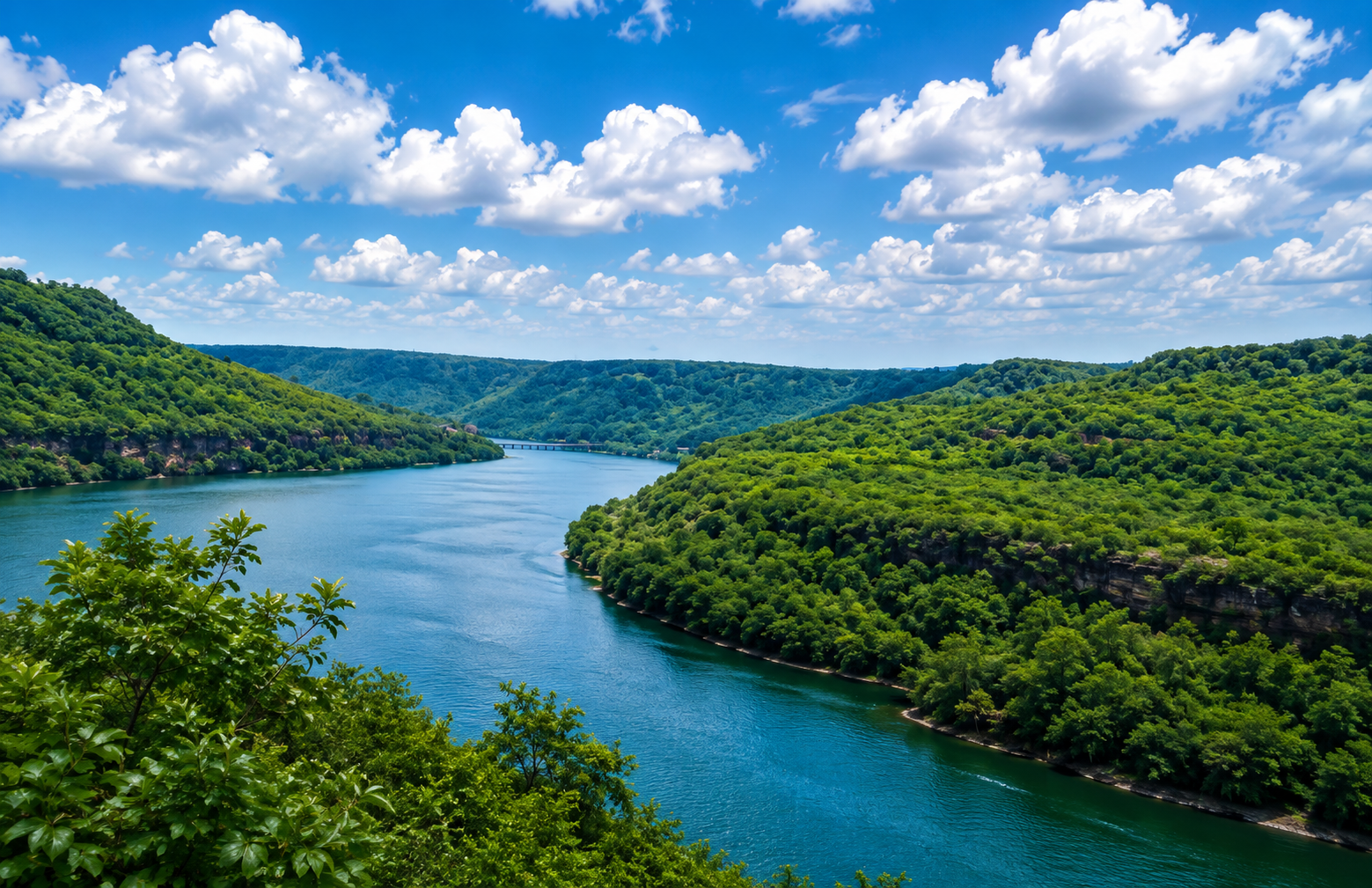
Beyond forts and golden cities, the land around Kota breaks into parallel ridges and river valleys. Mukundra Hills Tiger Reserve is that landscape — quieter than famous parks, still fully wild.
Jungle safari in Kota · Mukundra Hills Tiger Reserve
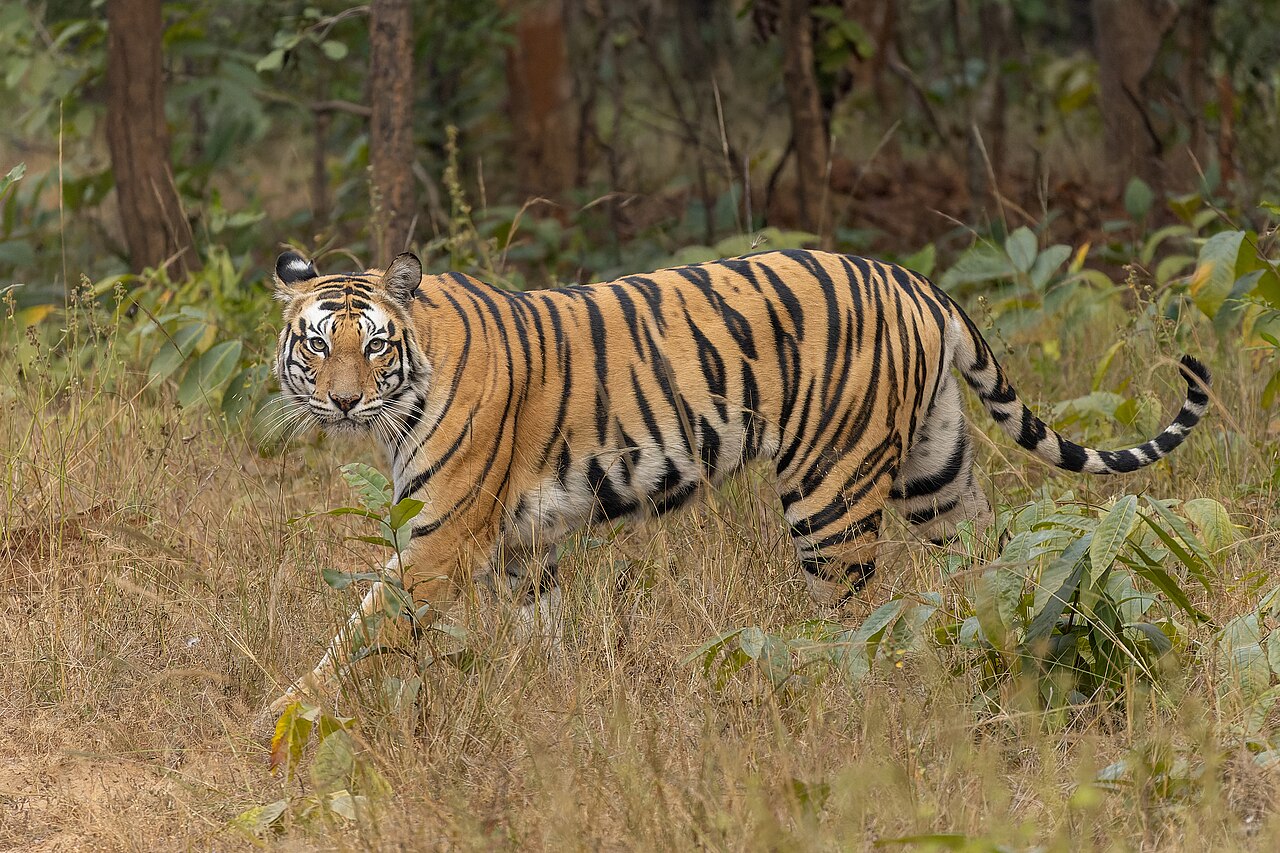
Kota’s wild backyard: rugged hills, dry deciduous forest and the Chambal gorges of Mukundra Hills Tiger Reserve. A quieter jungle safari than the famous Rajasthan parks, still home to tiger, leopard, sloth bear and river life.
The Hills
Enter the wilderness
Beyond forts and golden cities, the land around Kota breaks into parallel ridges and river valleys. Mukundra Hills Tiger Reserve is that landscape — quieter than famous parks, still fully wild.
The Chambal
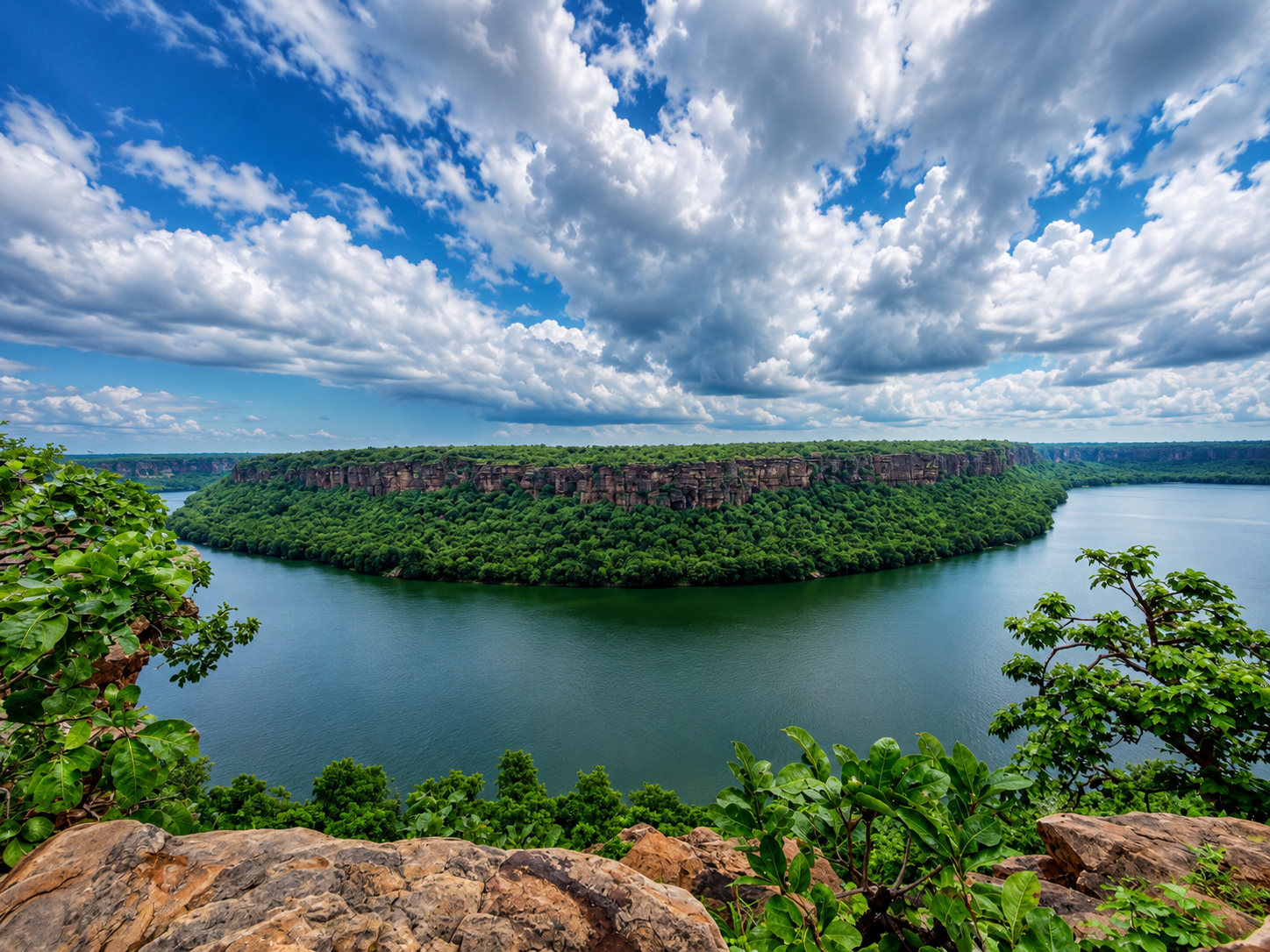
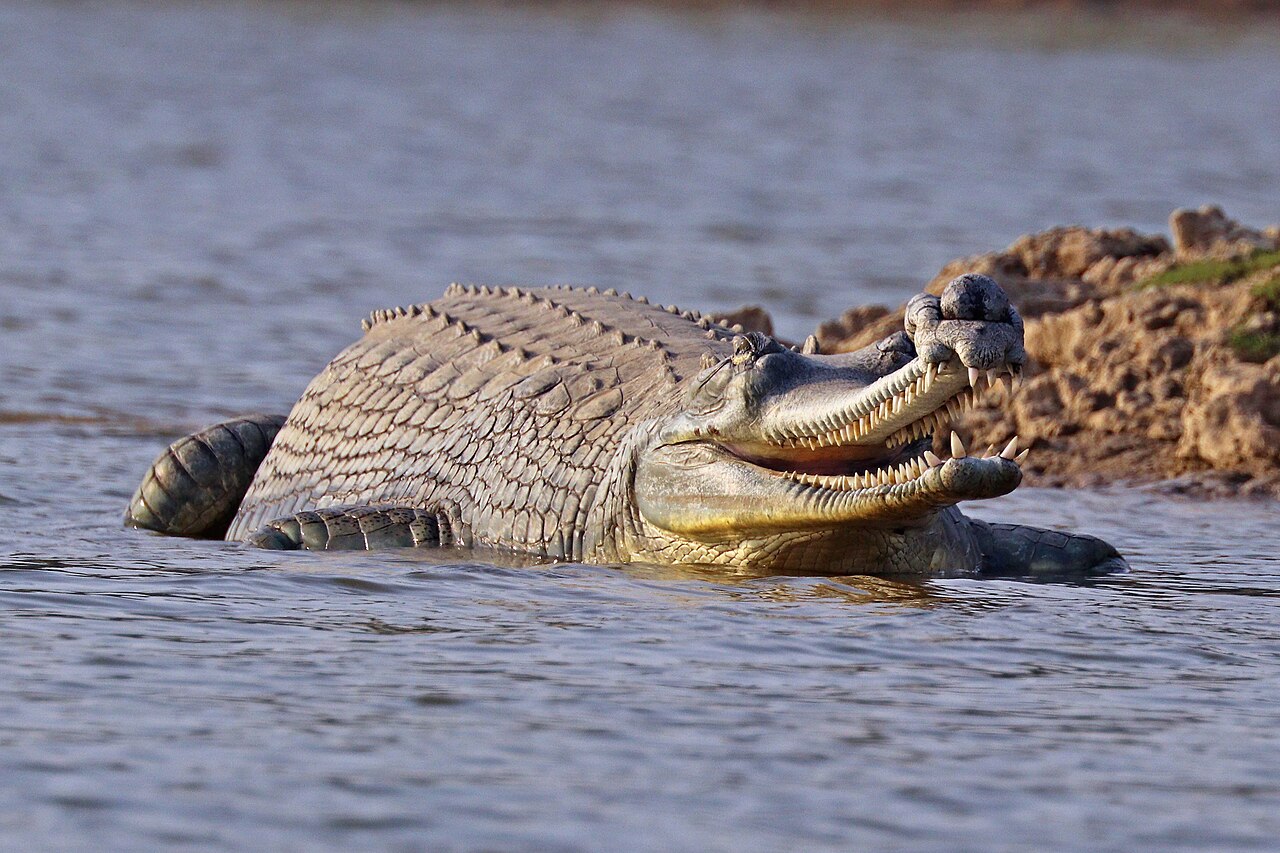
Gorges, reservoirs and seasonal streams decide where animals drink. In the hotter months a quiet wait near water is often the whole safari. Gharial and mugger belong to this same river country.
The drive
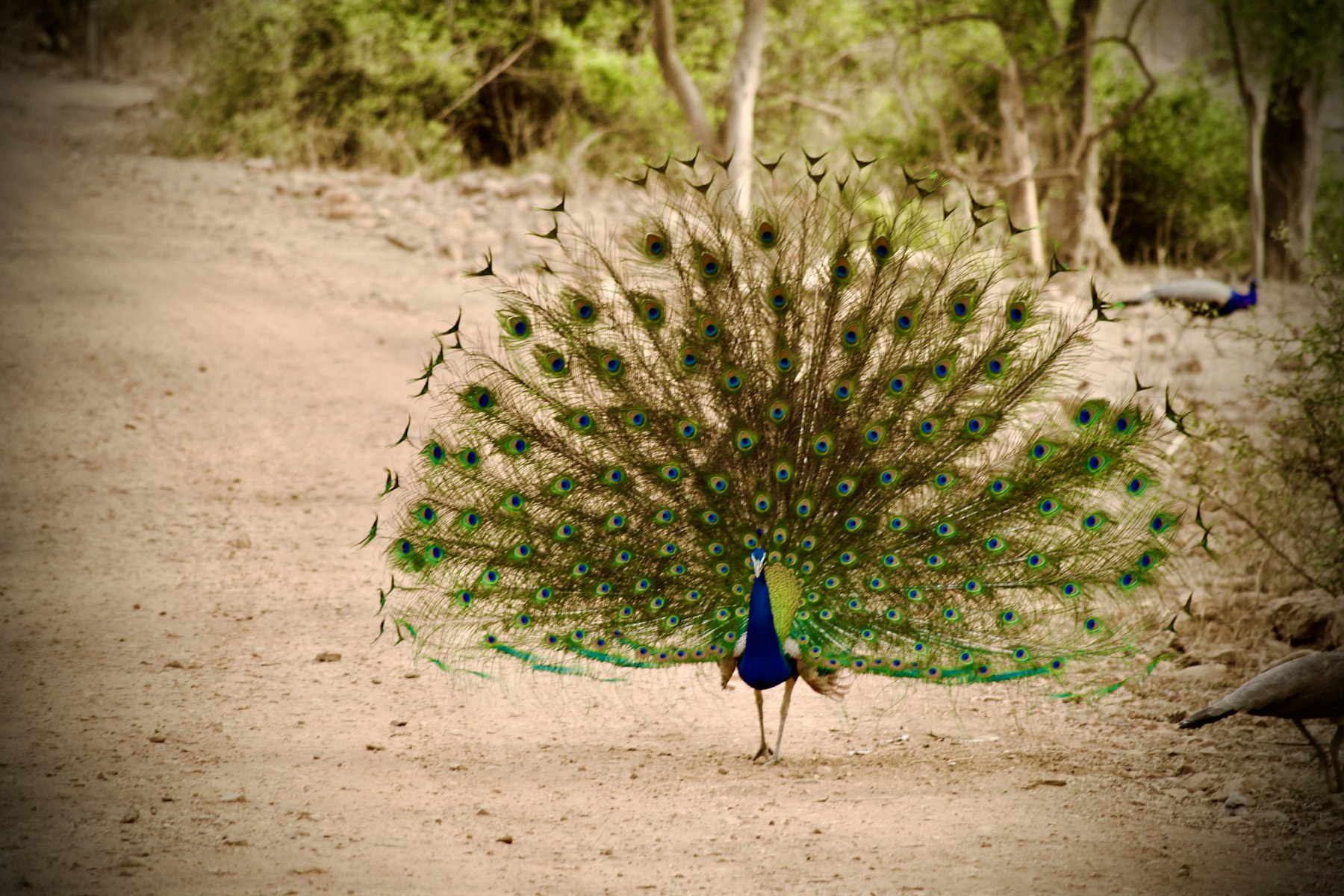
Most Kota safaris are this: an open jeep on a permitted forest track, peafowl in the dust, langurs watching from the canopy. The forest does not rush. You learn to match its pace.
Why people come
A sighting is never sold. What you can count on is travelling real tiger country — pugmarks, alarm calls, and the chance that the forest decides to show itself.
The Terrain
Hills for cover, forest for movement, water for gathering. Light changes all three from gold at sunrise to hush at dusk.
Ridges toward Rawatbhata — leopard country, shade, and the views that make a Kota safari feel larger than a park loop.
Dry deciduous woodland and dusty tracks. Peacocks, deer and the alarm calls that tell you something larger is moving.
The Chambal and seasonal streams — where sambar, tiger and crocodiles all come when the hills go dry.
Meet the Wild · Kota safari
The forest does not promise a tiger. It does hold a full cast: leopard, sloth bear, chital, sambar, nilgai, chinkara, hyena, peacock, and — on the Chambal — gharial and mugger. Every Kota drive is different.
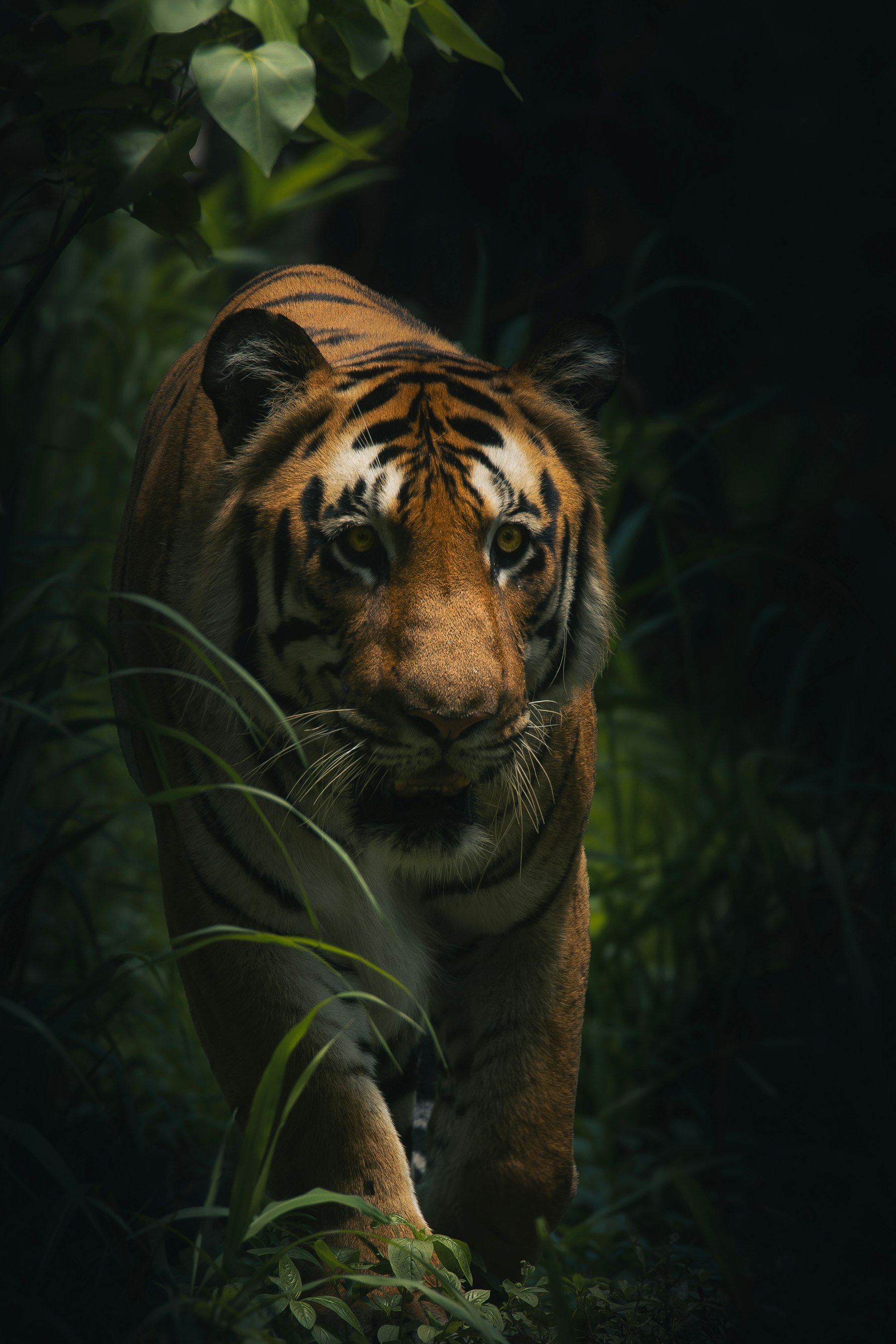
Tiger
The tiger remains one of the most elusive and captivating inhabitants of the landscape. A glimpse through the trees can turn an ordinary safari into a moment you remember for years.
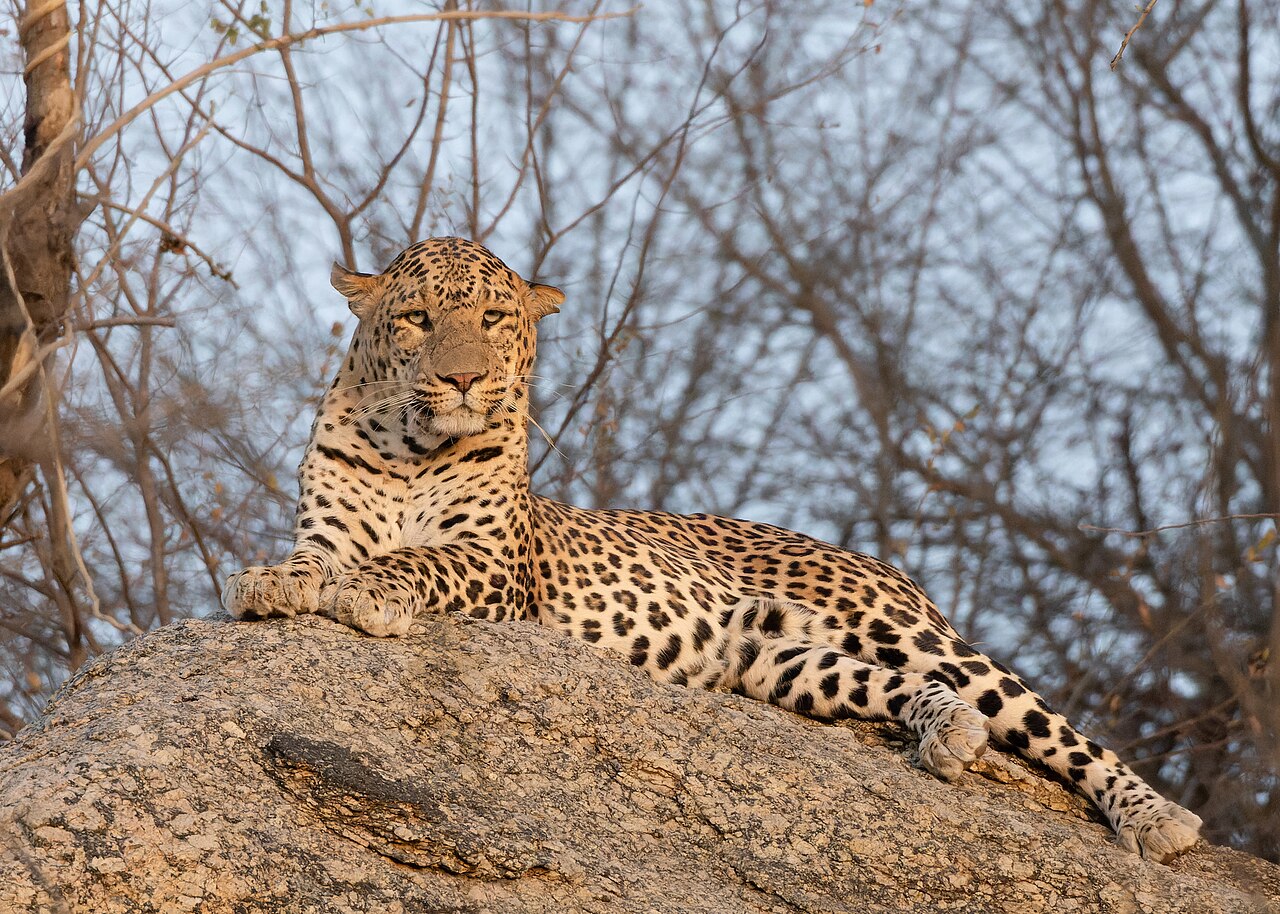
Leopard
Masters of camouflage, leopards move quietly through the forest and rocky terrain, often revealing themselves only for a fleeting moment.
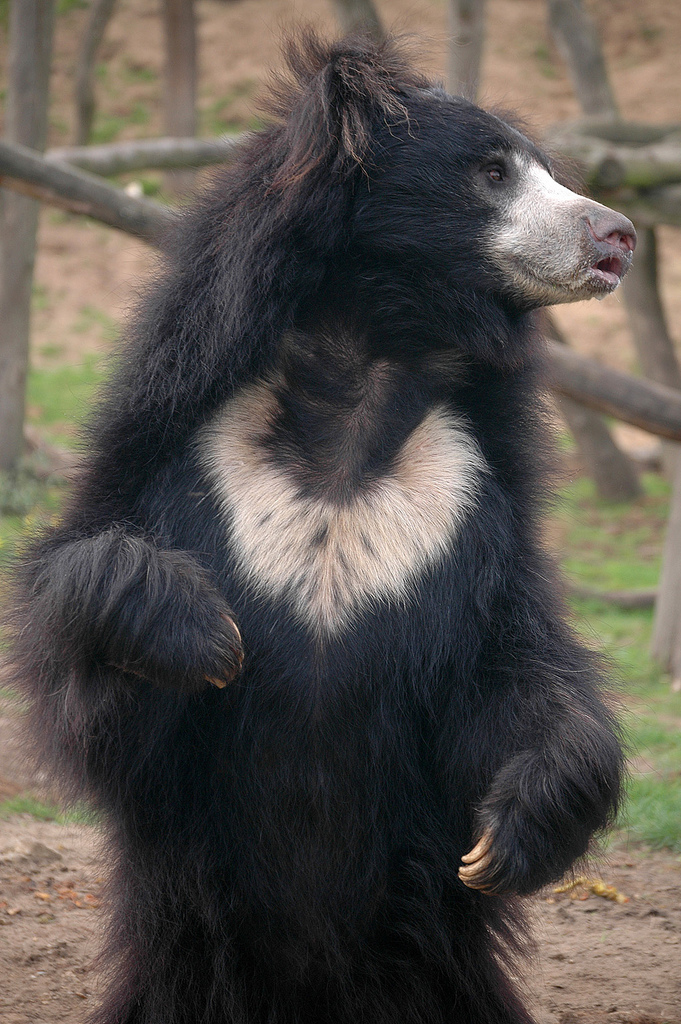
Sloth Bear
Powerful, curious and surprisingly elusive, the sloth bear is one of the reserve's most fascinating wildlife encounters.
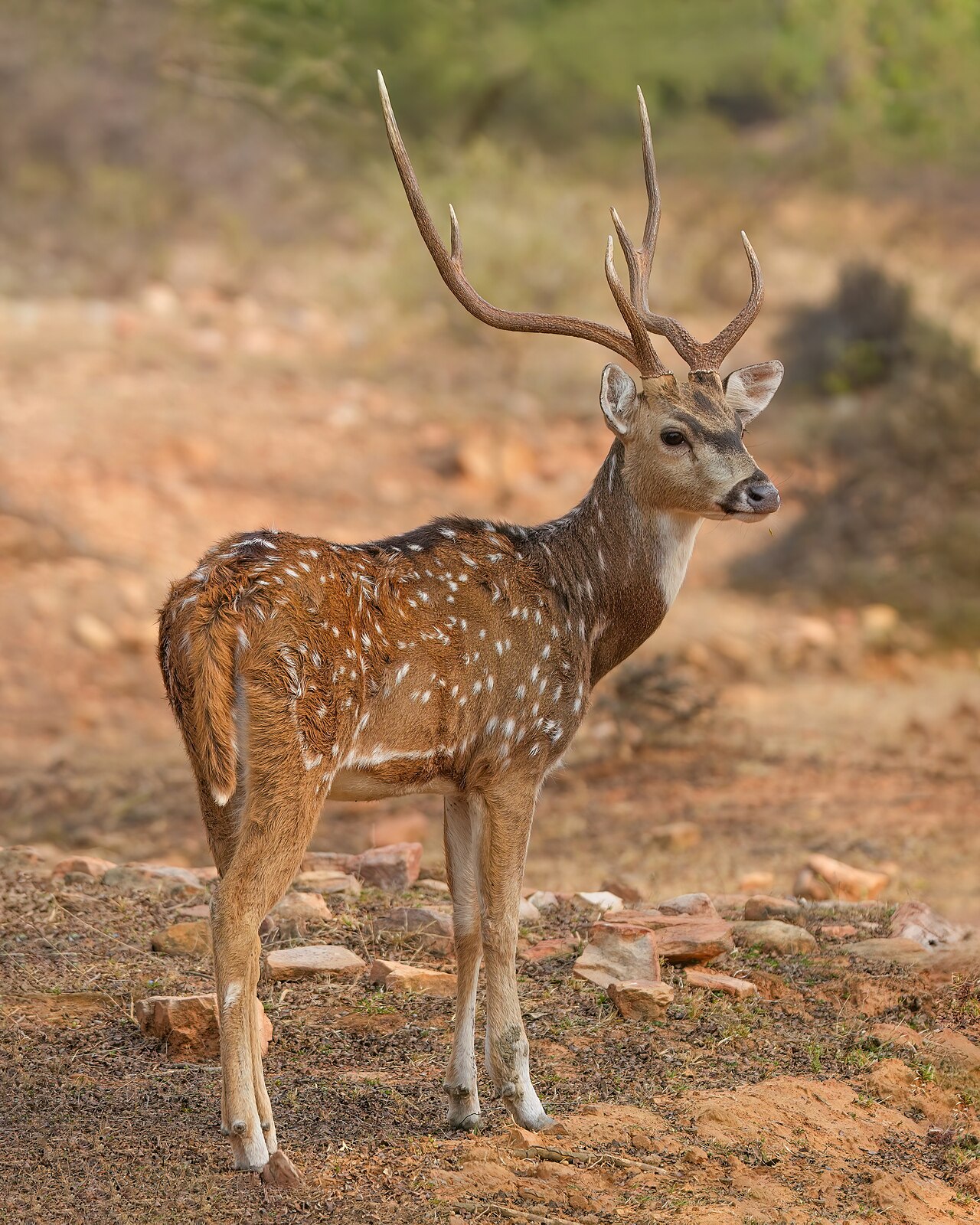
Chital
Spotted deer herds feed on forest edges. Their bark often tells you a predator is moving before you see it.
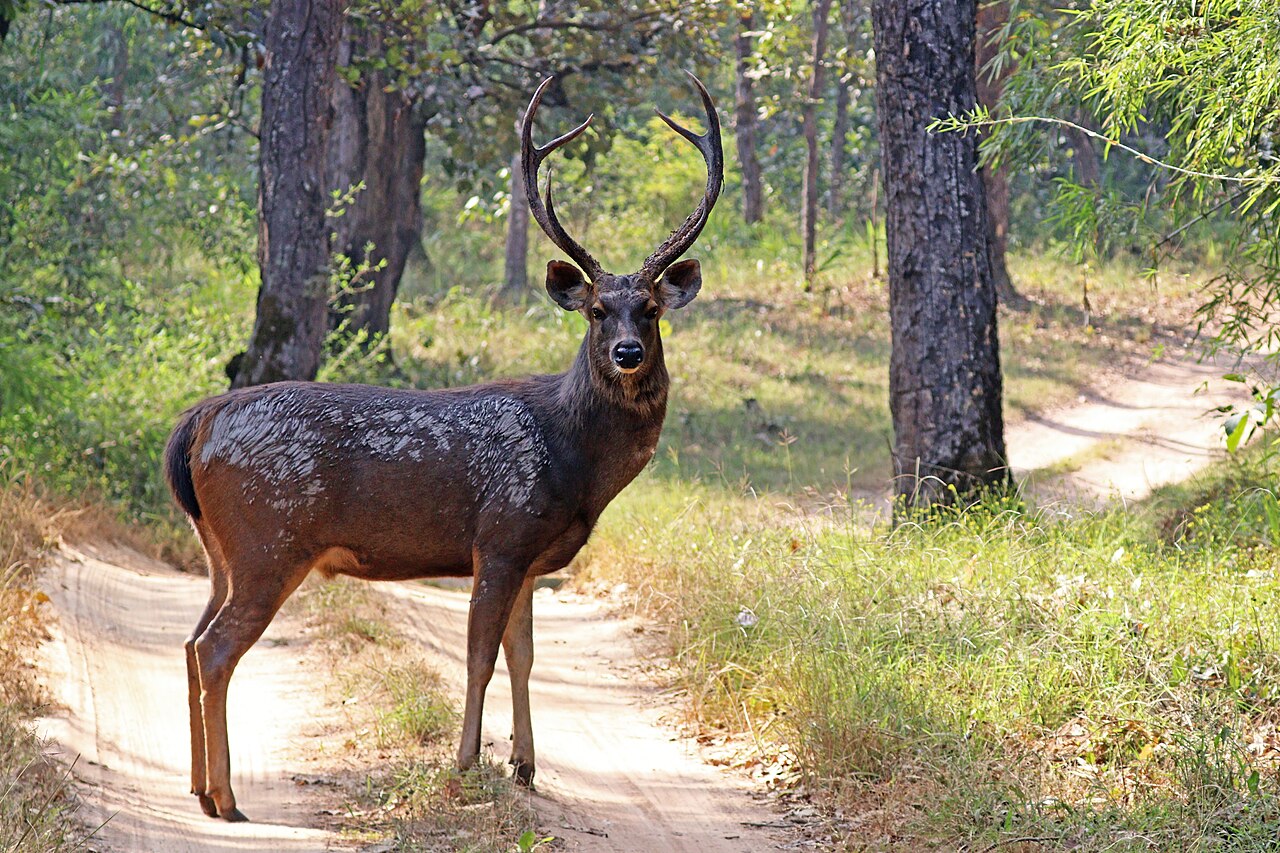
Sambar
Heavier and shyer than chital, sambar linger at nallahs and reservoirs — classic tiger country.
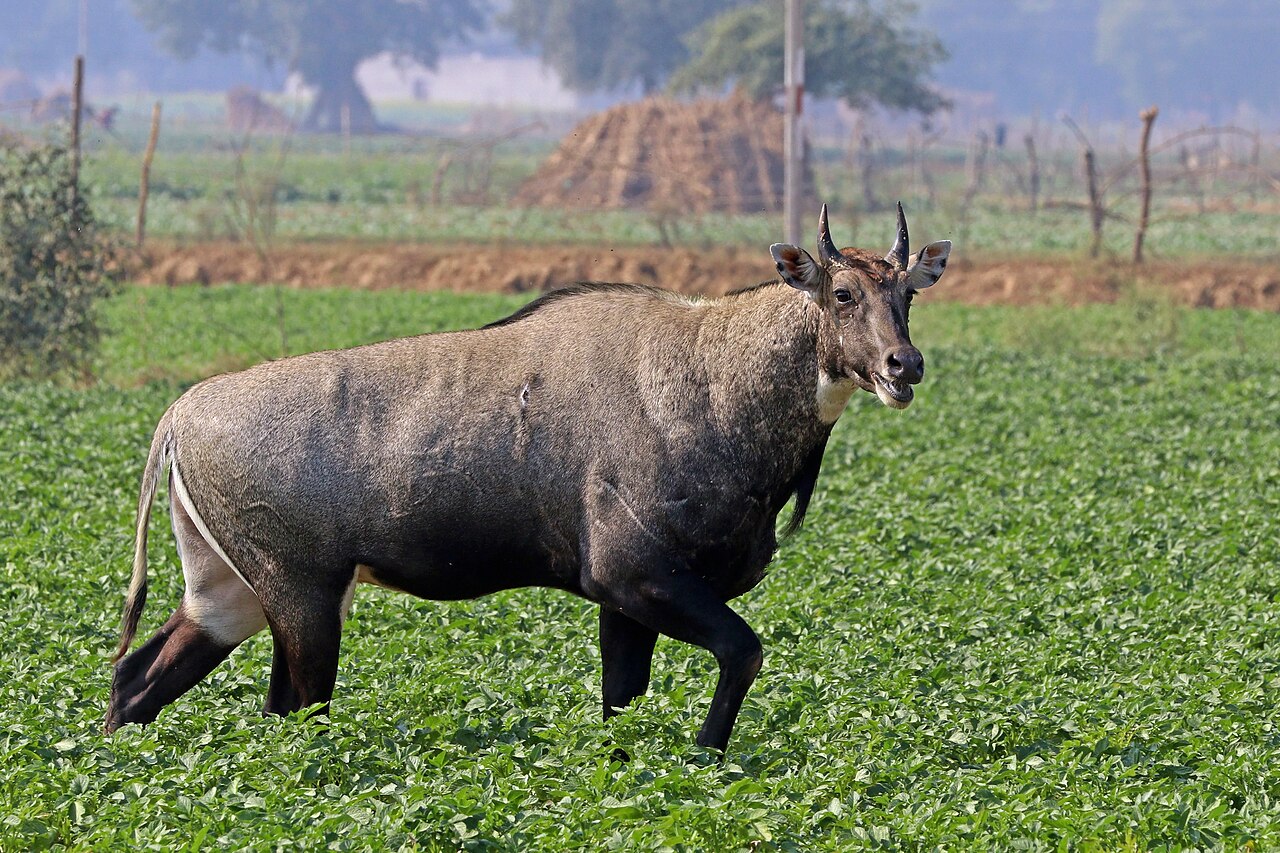
Nilgai & Chinkara
Blue bulls and Indian gazelle use grassland and scrub more than dense dhok forest. Look for them on Rawatha-style circuits.
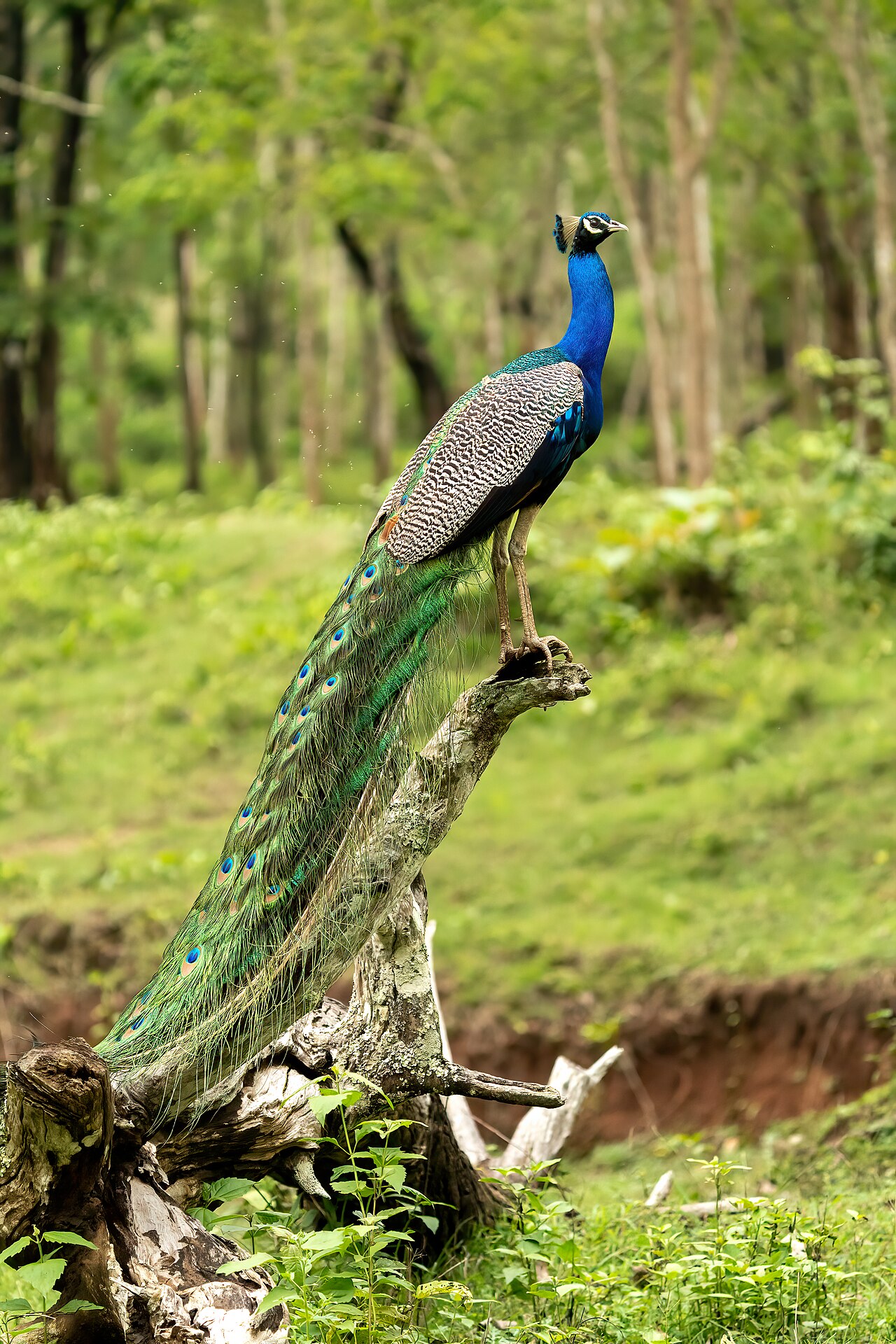
Indian peafowl
The bird you will almost certainly see. Around 140 species use these hills; peacocks are the ones that stop the jeep. Full wildlife guide.
"In the jungle,
you don't chase the moment.
You wait for it."
The Mukundra Experience
The Safari Experience
The excitement begins long before the first animal appears. The early morning air, the sound of birds, tyre tracks disappearing into the forest and the anticipation of what may be waiting around the next bend — every safari is a story unfolding in real time.
Wake in Kota before the forest comes alive. Cool air, empty roads, headlights on the way to the gate.
Enter Mukundra as first light hits the ridges and the Chambal valley below.
Chital alarm calls, langurs staring, tracks in the dust — the forest talking before the cat appears.
Sun on the grass, animals at water, and — if the forest allows — a tiger on the move.
Read the Forest
Hover or tap on the photograph to understand what the forest is telling you.
Alarm Call
Photo Story
Responsible Wildlife
A safari is a privilege, not a performance.
Wildlife should always be observed without disturbing its natural behaviour.
The quieter the safari, the more the forest can reveal.
The wilderness should look exactly as it did when you arrived.
The forest decides the encounter. We simply get the opportunity to witness it.
Your next unforgettable morning could begin somewhere beyond the city lights.
Mukundra Hills Tiger Reserve · Kota · Bundi · Jhalawar · Rawatbhata
Circuits from Kota
Mukundra is not one loop. Permits decide the gate; the land decides what you feel. We match Kota, Bundi, Jhalawar and Rawatbhata guests to the circuit that is actually open that day.
Darrah & Gagron
Older woodland and a classic jungle drive. Strong country for leopard, sloth bear and deer.
Rawatha
Open light, nilgai, chinkara, peafowl — a photographer’s circuit when the permit allows.
Bhainsrodgarh country
Ravines, waterfall country and scale. Best when you can leave Kota for a full day.
Chambal water
Boat stretches when the department opens them — a second safari on the same Kota trip.
Hadoti gateway
Stay in Kota and you can be on a forest track before most of Rajasthan has finished breakfast. Kota Junction links Delhi, Jaipur, Mumbai and Bhopal. Guests also drive in from Bundi, Jhalawar, Rawatbhata, Ramganj Mandi, Baran and Chittorgarh.
When you want a fuller trip, fold in Garadia Mahadev, Gagron Fort, the Chambal riverfront, Seven Wonders Park or Oxyzone — never instead of the jeep, always around it.
Kota travellers ask
Tiger, leopard, sloth bear, chital, sambar, nilgai, chinkara, wild boar, hyena, langur, peacock, and on river stretches gharial and mugger crocodile. Nothing is guaranteed; that is the point of a wild reserve.
It depends on the gate on your permit. Many visitors plan 40–60 km of road time from the city. We give a reporting time that includes that drive.
October to March for comfort. Summer is hotter but animals often stay near water. Monsoon can close routes — we check the live forest order before you travel.
Yes. Bundi, Jhalawar, Rawatbhata and Ramganj Mandi are local. Jaipur is the usual airport, then train or car to Kota, then the forest the next morning.
From Kota
A new safari route closer to Kota is set to make the Mukundra landscape more accessible to visitors.
Safari update
According to a Dainik Bhaskar report, the Daulatganj route is planned to open from 20 August, bringing the Mukundra safari experience closer to Kota and allowing visitors to explore the route in about two hours.
Read the full report