Home / Wildlife

Mukundra Hills Tiger Reserve · Kota

Animals of the Kota wilderness.

A safari here is not a zoo circuit. The forest around Kota, Darrah, Rawatbhata and the Chambal gorges holds tigers, leopards, bears, deer, river reptiles and a busy bird community — and none of them appear on demand.

Mukundra Hills Tiger Reserve stretches across Kota, Bundi, Chittorgarh and Jhalawar. Dry deciduous woodland, rocky ridges, grasslands and the Chambal river system sit side by side, which is why the wildlife list is wider than “tiger safari” suggests.

TigerLeopardSloth bearChitalSambarNilgaiChinkaraHyenaPeacockGharial

Predators

The animals that move in silence.

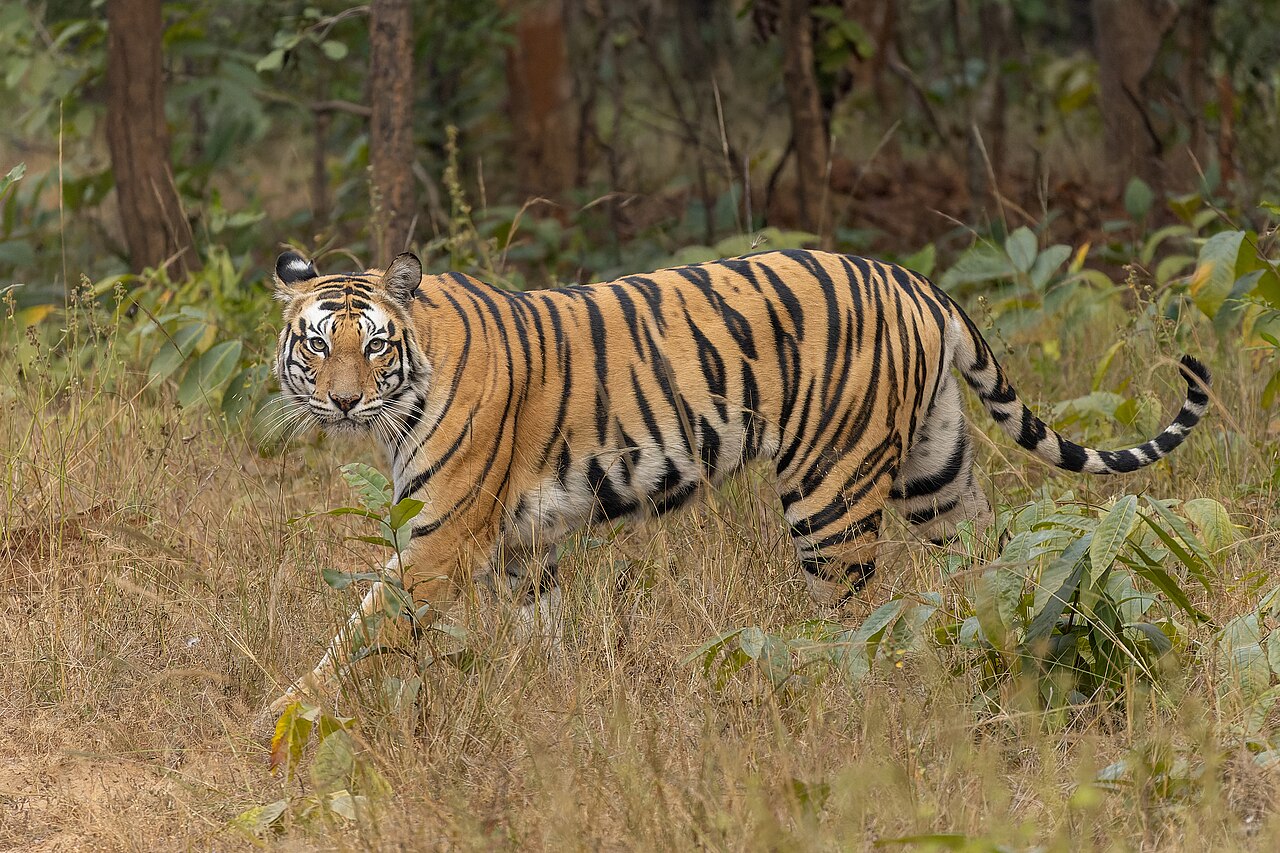
Bengal tiger in dry forest habitat similar to Mukundra Hills Tiger Reserve near Kota

Bengal tiger

The reason the hills became a tiger reserve

The tiger is the animal most visitors hope to see on a jungle safari from Kota. Mukundra’s dry forest and broken hills give it cover, and waterholes draw it out in the hotter months. A sighting is never promised. What you can count on is the chance to travel through real tiger country — alarm calls, pugmarks, and the quiet that falls when the forest is paying attention.

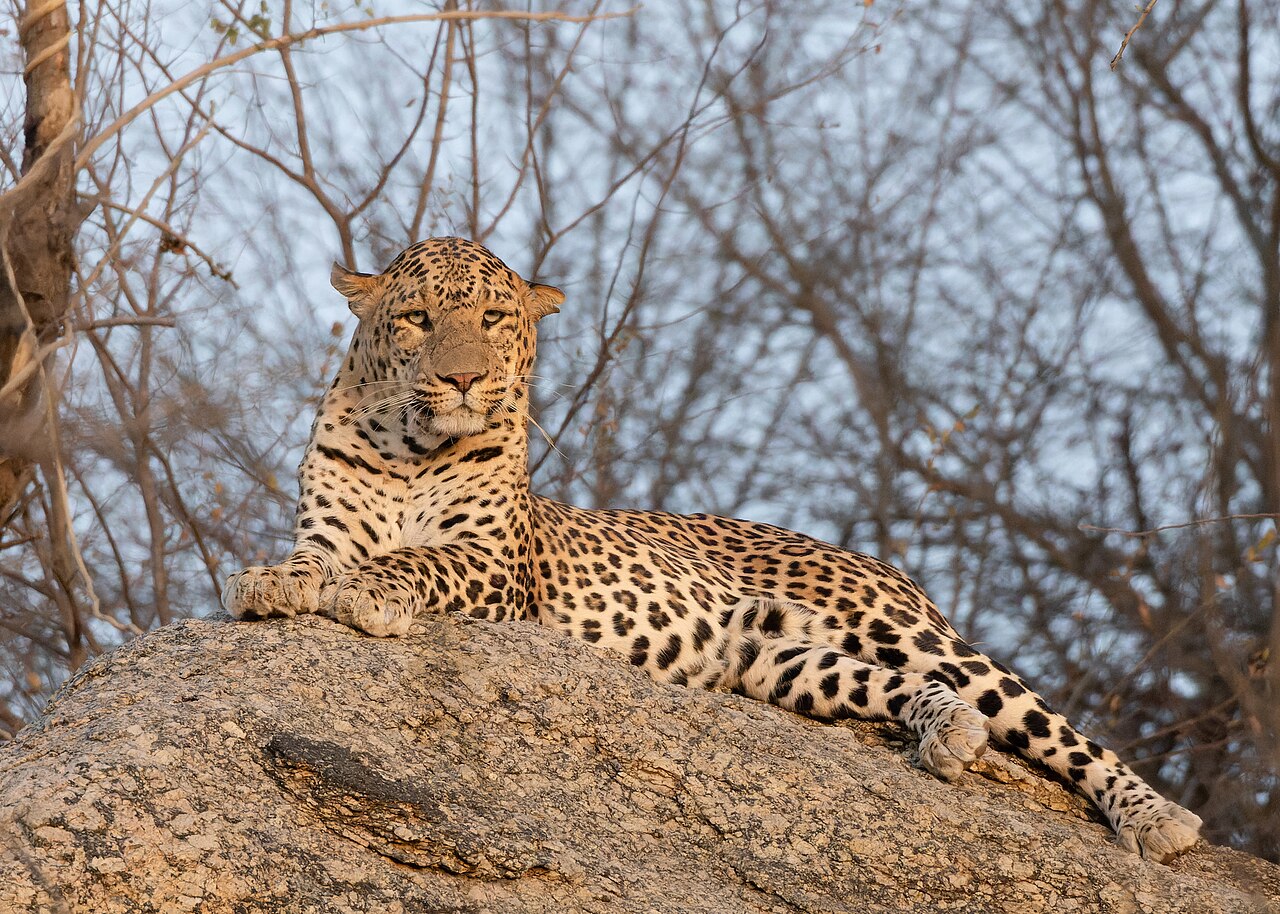
Indian leopard in rocky Rajasthan terrain, a species seen around Mukundra and Darrah near Kota

Indian leopard

The cat of cliffs and dhok forest

Leopards use the rocky slopes and dense patches around Darrah and Gagron more readily than open grassland. They are often the more realistic big-cat encounter on a Kota safari: a shape on a boulder at last light, or a brief crossing of the track. Guides watch langur and deer alarm calls as carefully as they watch the road.

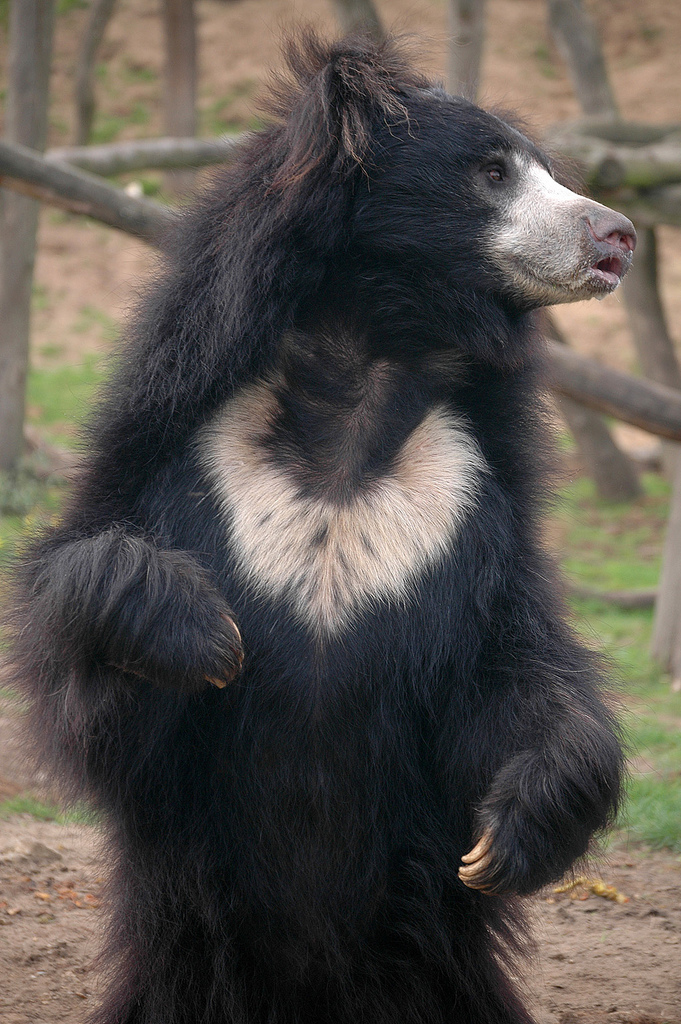
Sloth bear standing in forest, a distinctive mammal of Mukundra Hills near Kota

Sloth bear

Shaggy, nocturnal, unforgettable

Sloth bears come to termite mounds, fruiting trees and water. They can look slow until they are not. Early morning circuits through thicker woodland — the kind of country around Darrah village and the older forest rest-house belts — are the best chance of a glimpse. Keep your distance; this is one animal that should never be crowded for a photograph.

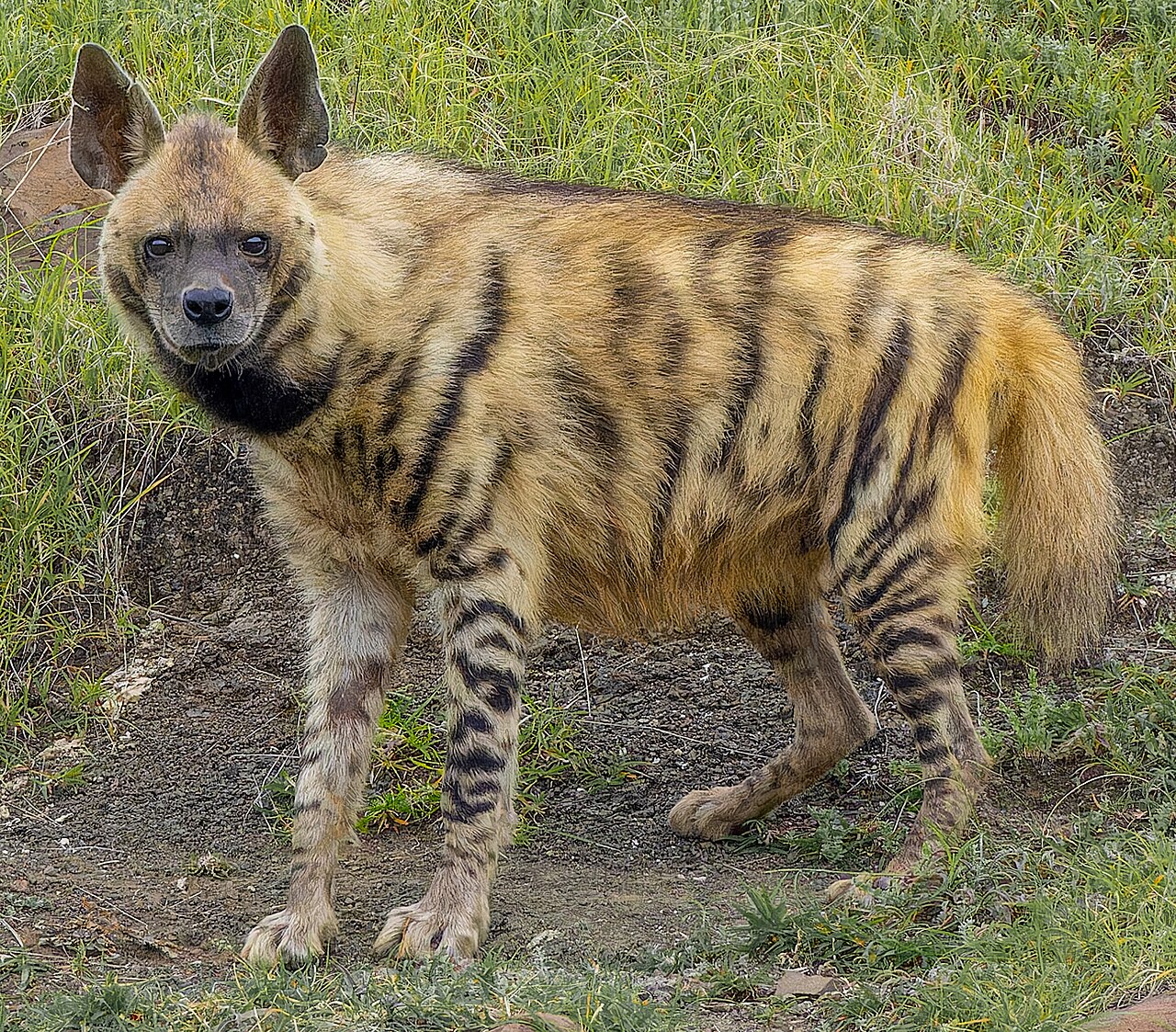
Striped hyena, a scavenger found in the Mukundra and Kota landscape

Striped hyena

Night worker of the dry forest

Hyenas keep the landscape clean. They are shy, mostly crepuscular, and easier to miss than to see. Open edges and quieter tracks after the heat drops are where they sometimes appear. Indian wolf, jackal and jungle cat share the same twilight hours.

Hoofed wildlife

The forest’s everyday residents.

Most Kota safaris are built on these species. They tell you where the water is, where a predator might be, and how healthy the grassland still is.
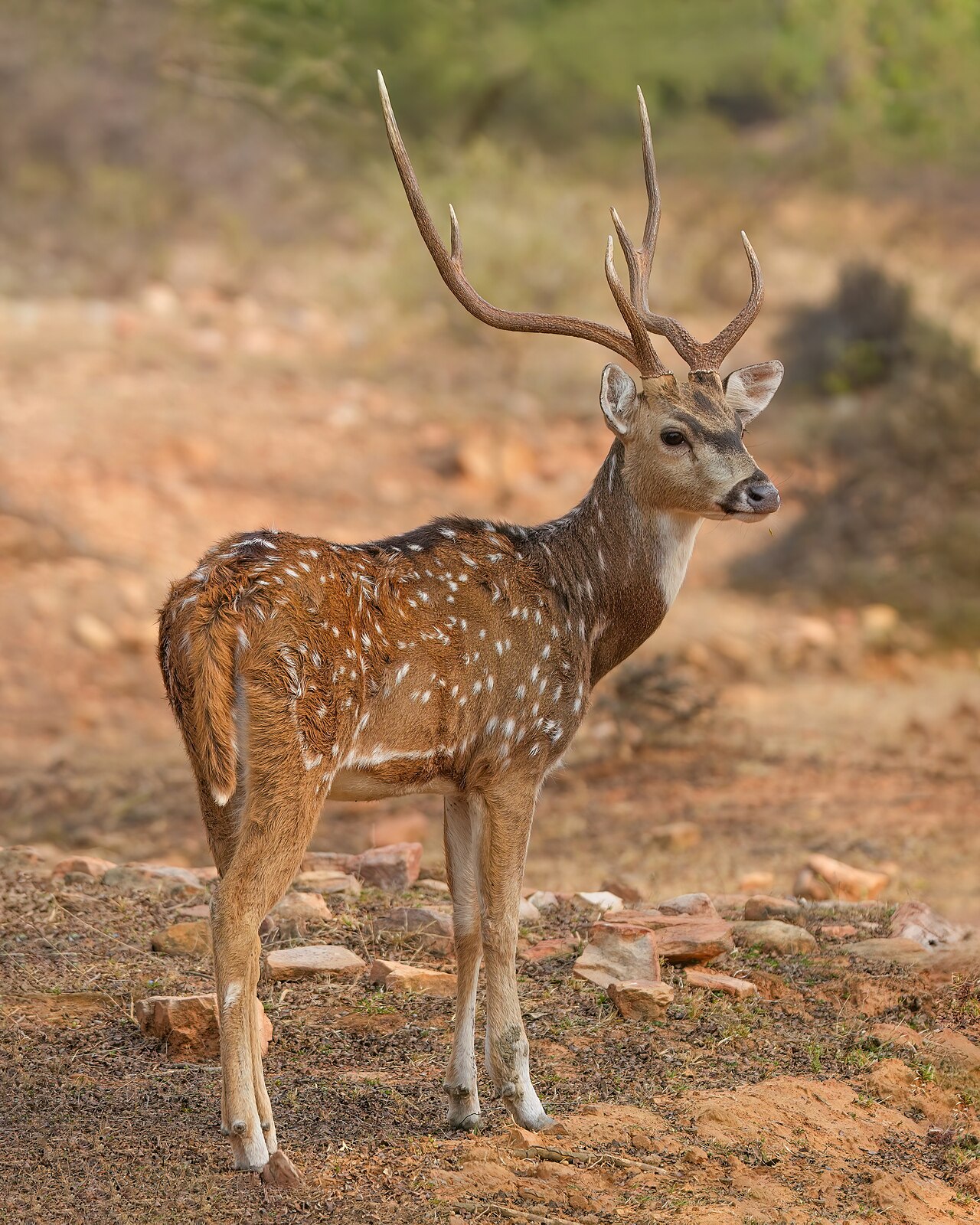
Chital spotted deer in Ranthambore-style dry forest, also common on Mukundra safari near Kota

Chital · spotted deer

The sound of the jungle

Spotted deer gather in herds on forest edges and near water. Their sharp alarm bark is often the first sign that a tiger or leopard is moving. Photographers love the morning light on their coats; naturalists listen to them more than they look at them.
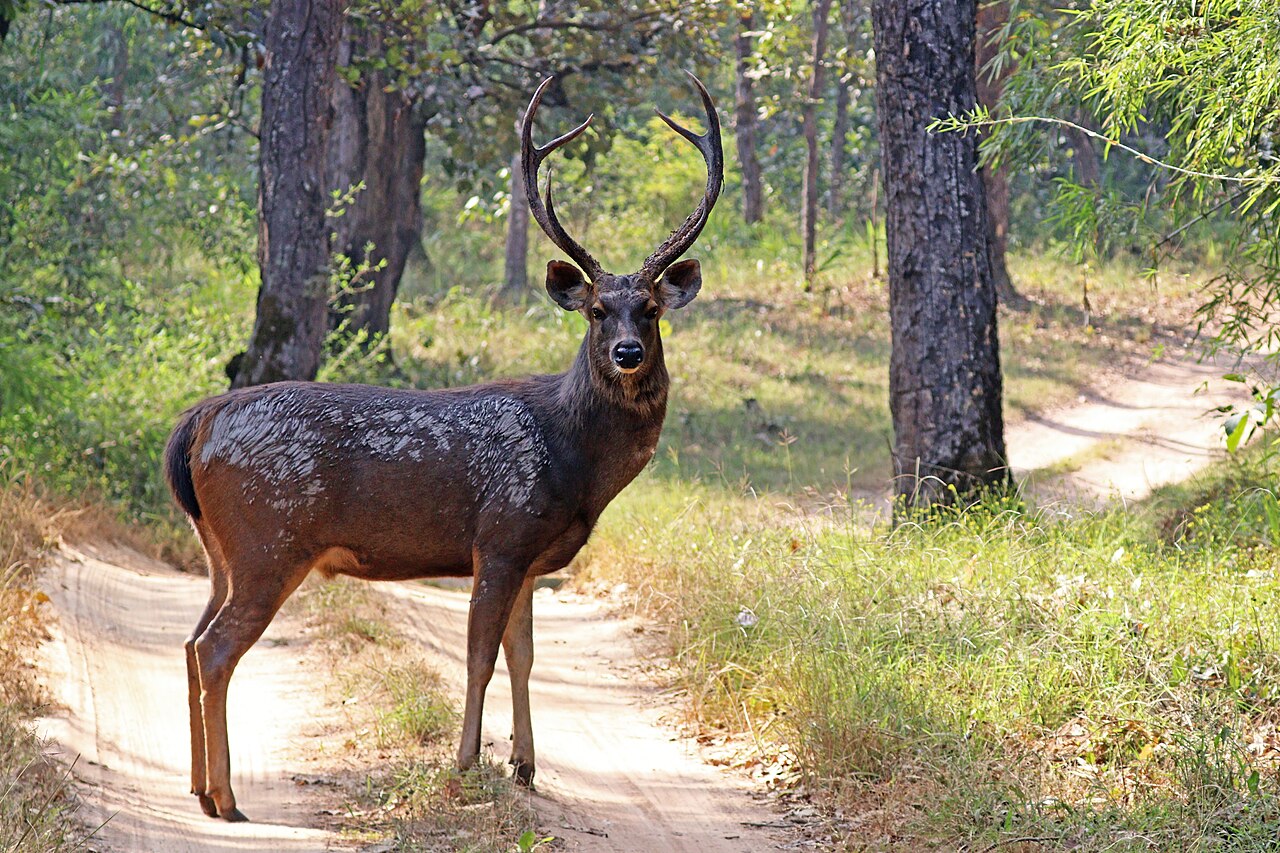
Sambar deer stag, a large deer of Indian tiger reserves including Mukundra Hills Kota

Sambar

The big deer of the waterline

Sambar are heavier, shyer, and often found around nallahs, reservoirs and shaded clearings. A sambar stuck at a waterhole in the afternoon is a classic Mukundra scene — and a useful clue for anyone hoping to find a tiger later in the drive.
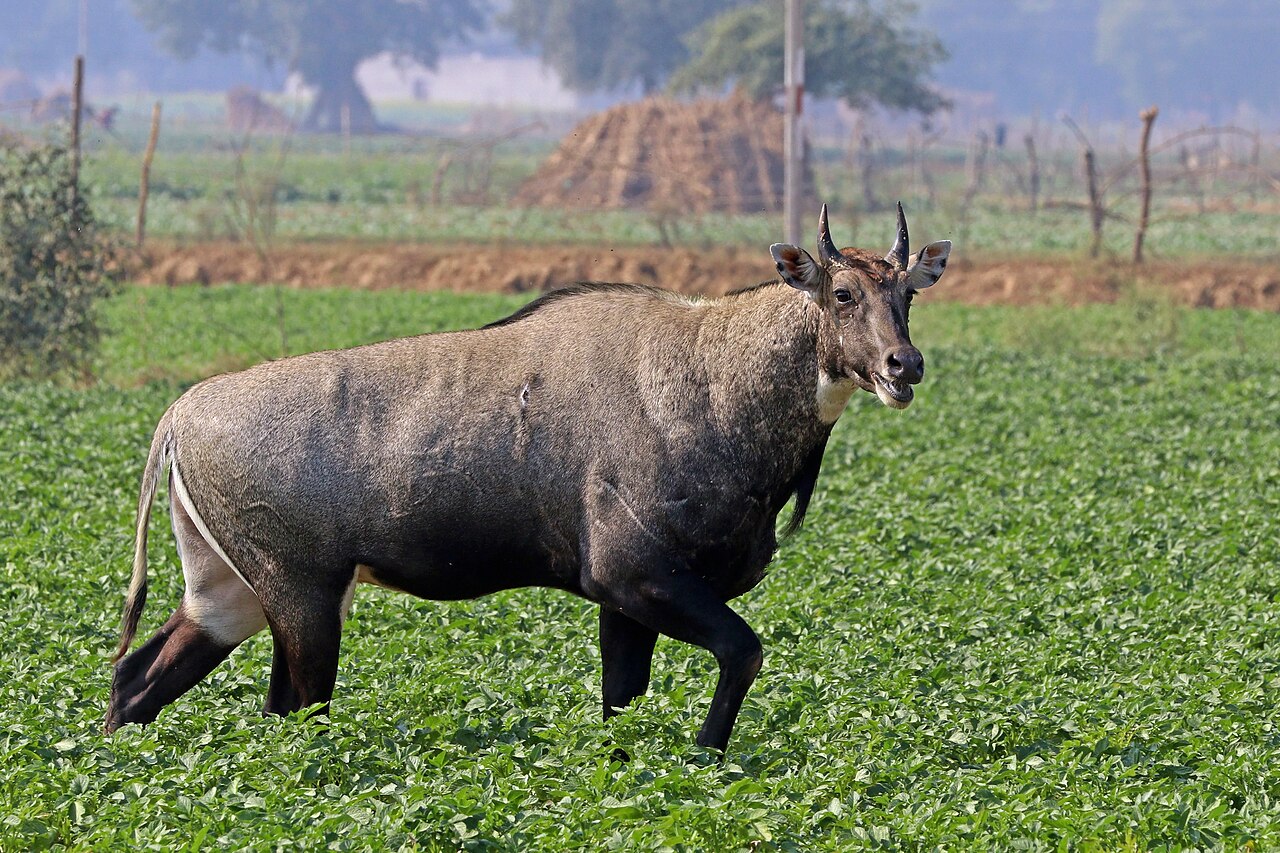
Nilgai blue bull in open country, often seen on Rawatha grassland routes near Kota

Nilgai

Asia’s largest antelope

Nilgai prefer more open ground. The grassland stretches on routes such as Rawatha–Ram Sagar are good country for them. From a jeep they look almost cattle-like until the blue-grey bull turns and the white throat patch catches the sun.
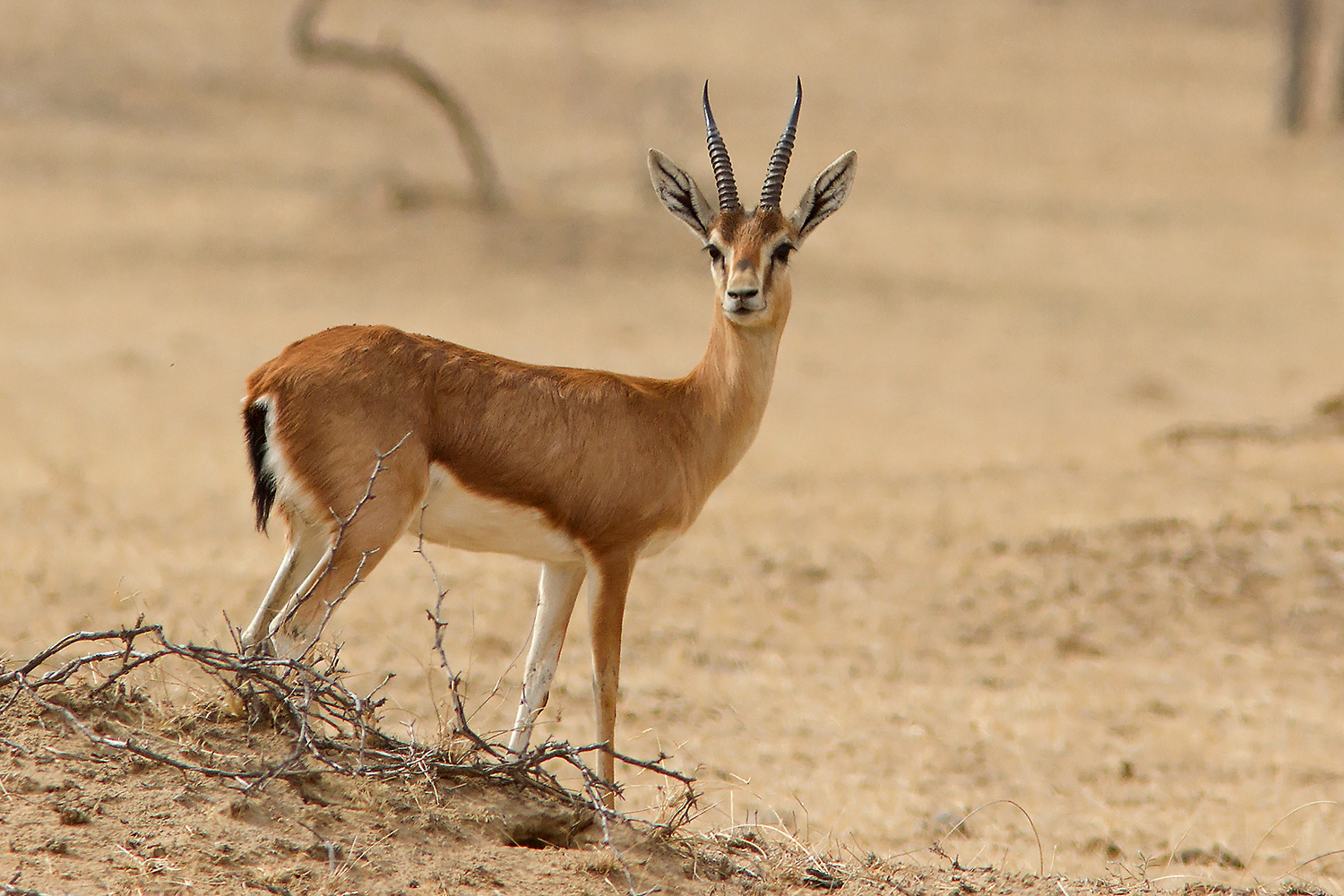
Chinkara Indian gazelle in Rajasthan dry landscape near Bikaner country, also present around Mukundra

Chinkara

The gazelle of dry Rajasthan

Light, fast and built for open, rocky country, the Indian gazelle belongs to the same dry landscape that surrounds Kota. Look for them on grassland and scrub edges rather than in dense dhok forest.
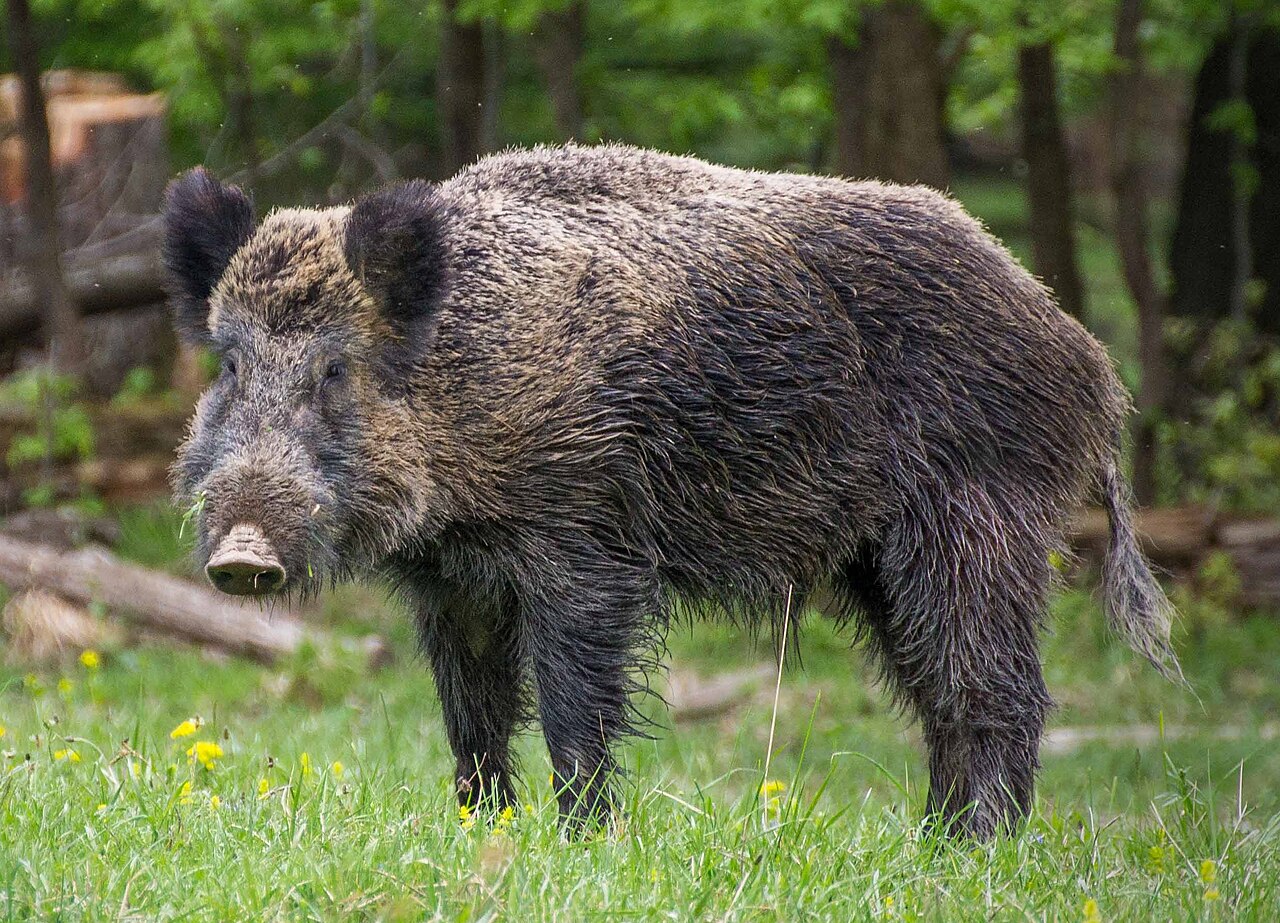
Wild boar, a common mammal on jungle safari routes near Kota

Wild boar

Rooting through the undergrowth

Boar work the soil at dusk and dawn. They are prey for big cats and a regular sight on forest tracks after rain, when the ground is soft enough to dig.

River & canopy

Life along the Chambal and in the trees.

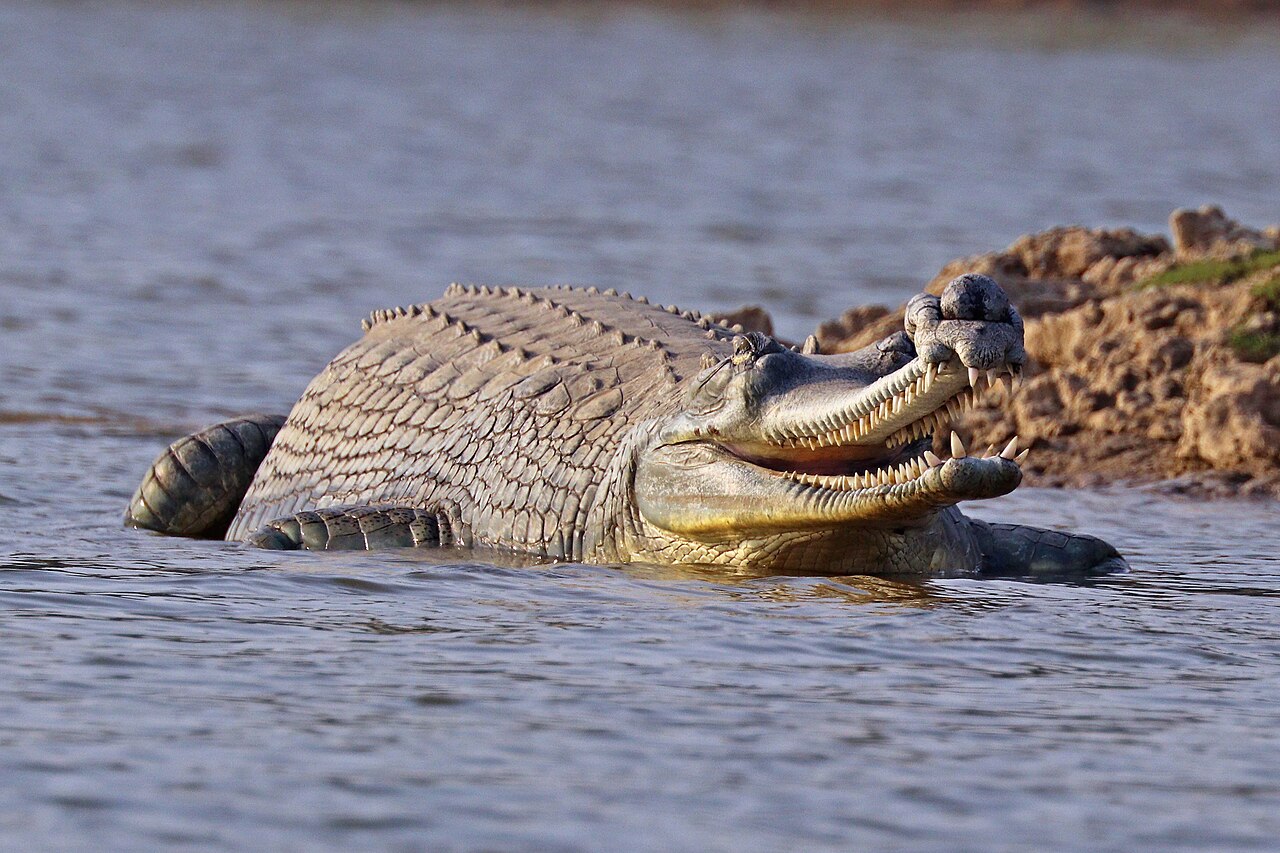
Gharial on a riverbank, the fish-eating crocodilian of the Chambal near Kota

Gharial

The long-snouted fish hunter

The Chambal is one of the last strongholds of the gharial. Boat stretches and gorge viewpoints near Kota, Garadia Mahadev and Bhainsrodgarh country are where visitors sometimes see them basking on sandbanks. They are shy, specialised fish-eaters — a different animal entirely from the broader-headed mugger crocodile.

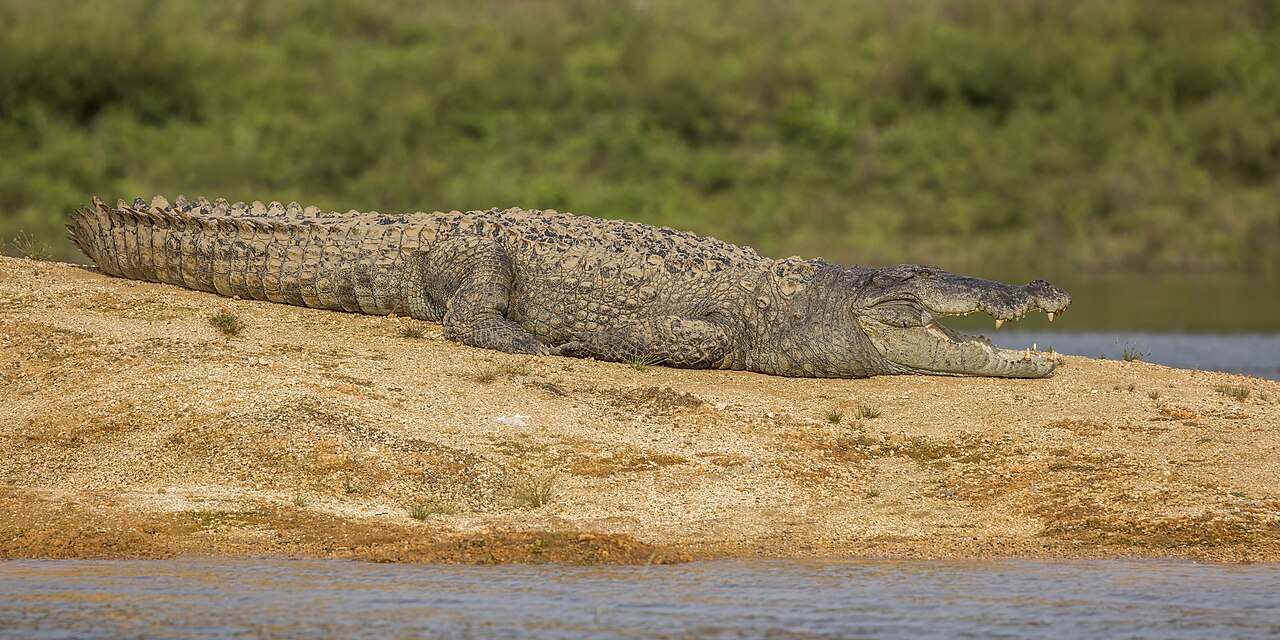
Mugger crocodile basking, found in rivers and reservoirs of Mukundra Hills Tiger Reserve

Mugger crocodile

The broad-snouted resident of still water

Muggers use reservoirs, quieter river bends and sun-warmed rocks. A Kota Dam or sanctuary boat outing, when permitted, is the usual way to look for them without leaving the vehicle-and-boat rules of the forest department.

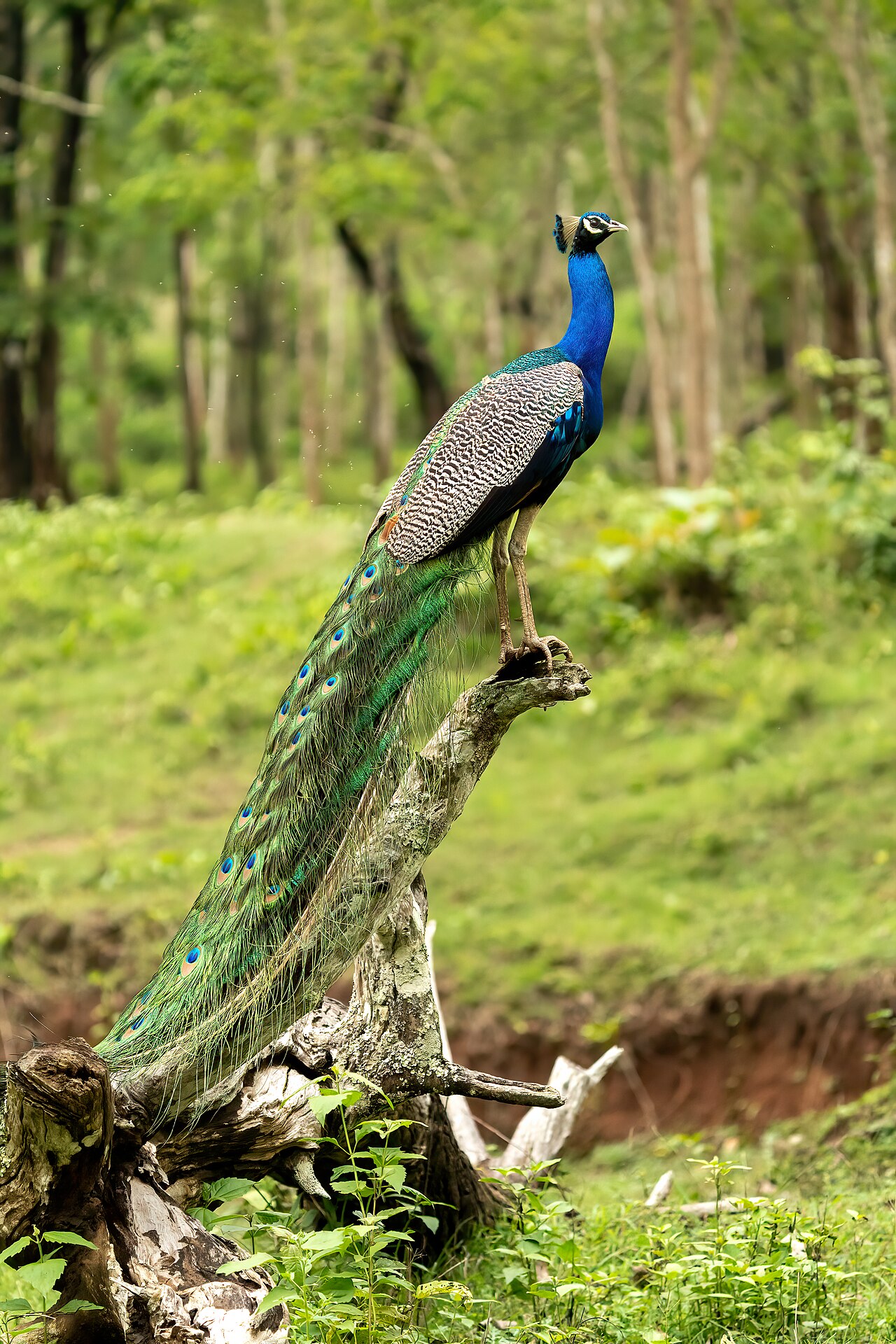
Indian peacock in a tree, a common bird on Mukundra safari near Kota

Indian peafowl

Colour in a dry forest

Peacocks are the bird you will almost certainly see. They feed along tracks, roost in trees, and their call carries across the hills at dusk. Around 140 bird species have been recorded in the reserve, from resident kingfishers and parakeets to winter visitors along the Chambal.

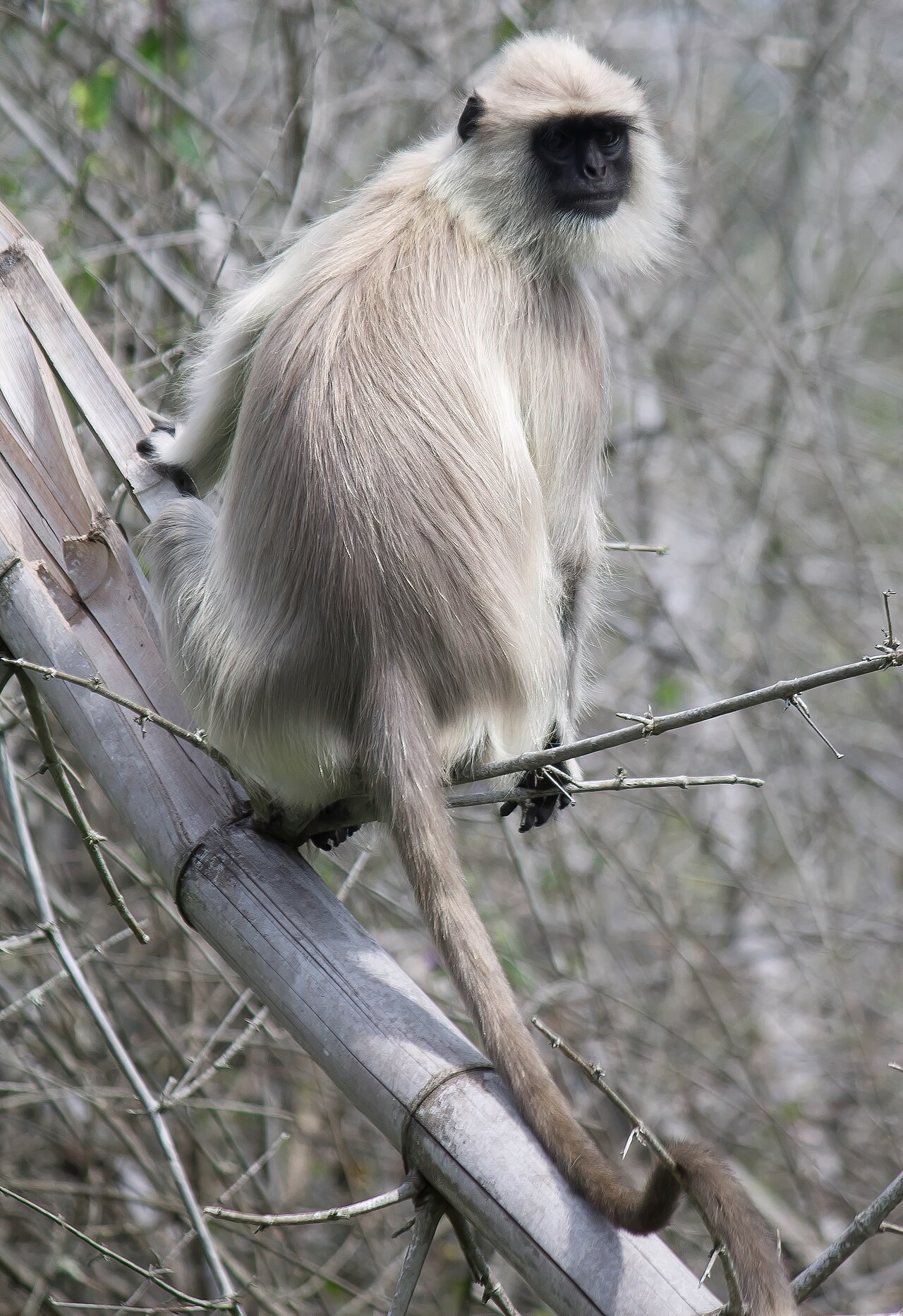
Gray langur in forest canopy, an alarm-caller on Kota jungle safaris

Gray langur

The lookouts in the canopy

Langurs are the forest’s sentries. A sudden burst of coughing calls overhead is often the first hint that a leopard or tiger is below. Watch the direction they stare — your guide already is.

Also in the landscape

The supporting cast.

Indian wolf

Rare, lean and mostly a creature of open edges. A distant sighting is a story you keep.

Jackal & jungle cat

Smaller hunters of dusk. They use the same tracks your jeep does, only earlier.

Otters & turtles

River life around the Chambal adds a second safari to the same Kota trip if boat routes are open.

Vultures & raptors

Thermals over the gorges bring eagles and vultures — a gift for anyone carrying binoculars.

Sightings depend on season, time of day, zone and luck. We plan routes around recent signs, not around guarantees. Read how a drive actually unfolds on the safari page, or plan your visit from Kota.

Kota · Bundi · Jhalawar · Rawatbhata

Go looking, not expecting.

Call us and we will match a morning or evening jeep to the season, the gate, and who is travelling with you.

Call +91 97850 72782 Write to us