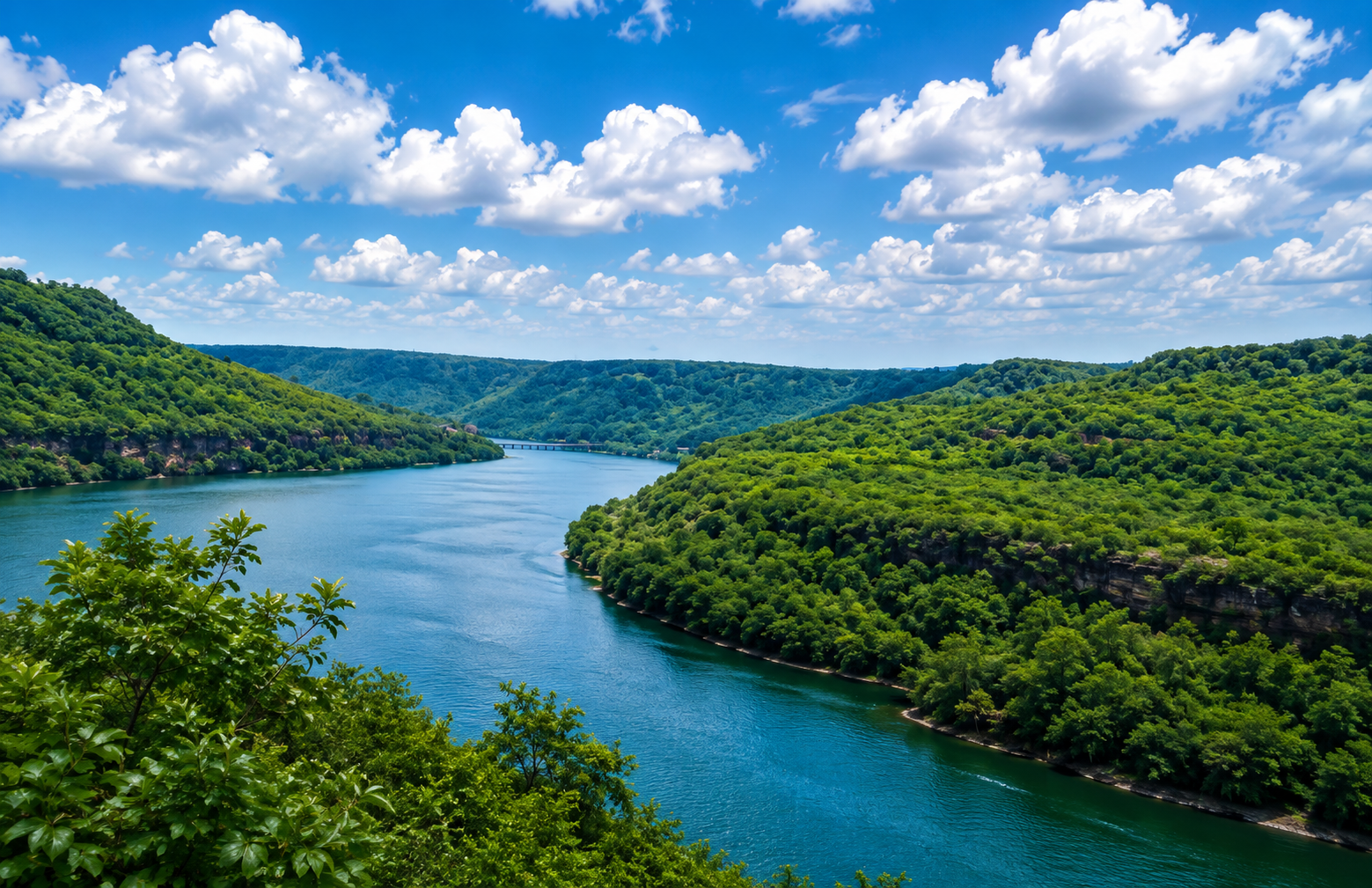
The hills
Parallel ridges run for tens of kilometres toward Rawatbhata. They create shade, cliffs for leopards, and the views that make a Kota safari feel larger than a park drive.
Home / Experience
Kota · Mukundra Hills Tiger Reserve
Beyond palaces and desert cities, the land around Kota breaks into parallel hill ranges, dry forest and the Chambal. Mukundra is that landscape, protected as a tiger reserve and still less crowded than the famous parks further north.
The reserve
Notified as a tiger reserve in 2013, Mukundra brings together Mukundra National Park, Darrah Sanctuary, Jawahar Sagar and part of the National Chambal Sanctuary. Headquarters sit in Kota; the forest itself runs through Kota, Bundi, Chittorgarh and Jhalawar — roughly 760 square kilometres of core and buffer.
Dhok (Anogeissus), salai and khair set the tone of the woodland. Bamboo and moisture-loving trees follow the nallahs. That mix of ridge, valley and water is why tigers, leopards, bears and river reptiles can all belong here.
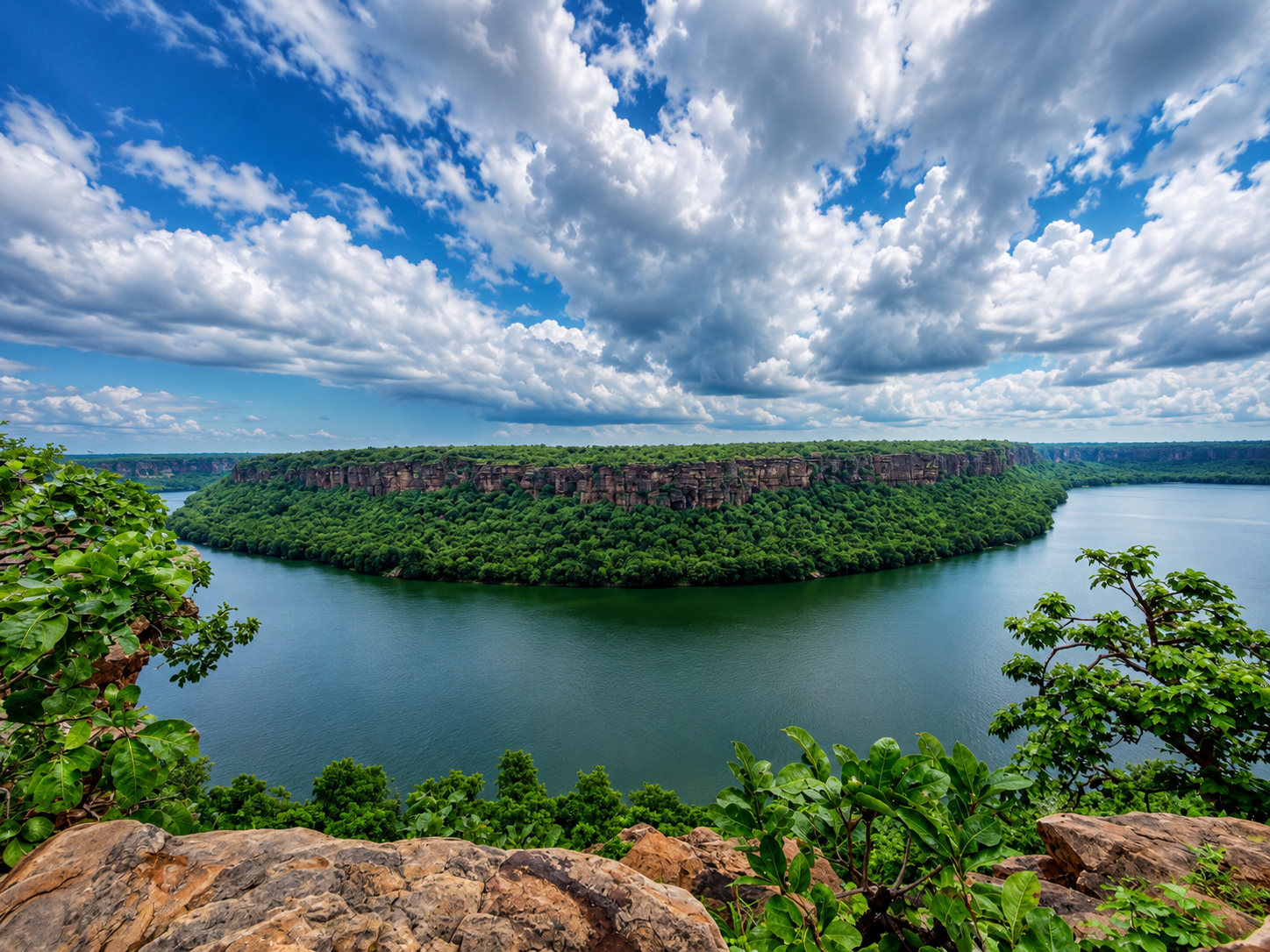
The land
Parallel ridges run for tens of kilometres toward Rawatbhata. They create shade, cliffs for leopards, and the views that make a Kota safari feel larger than a park drive.
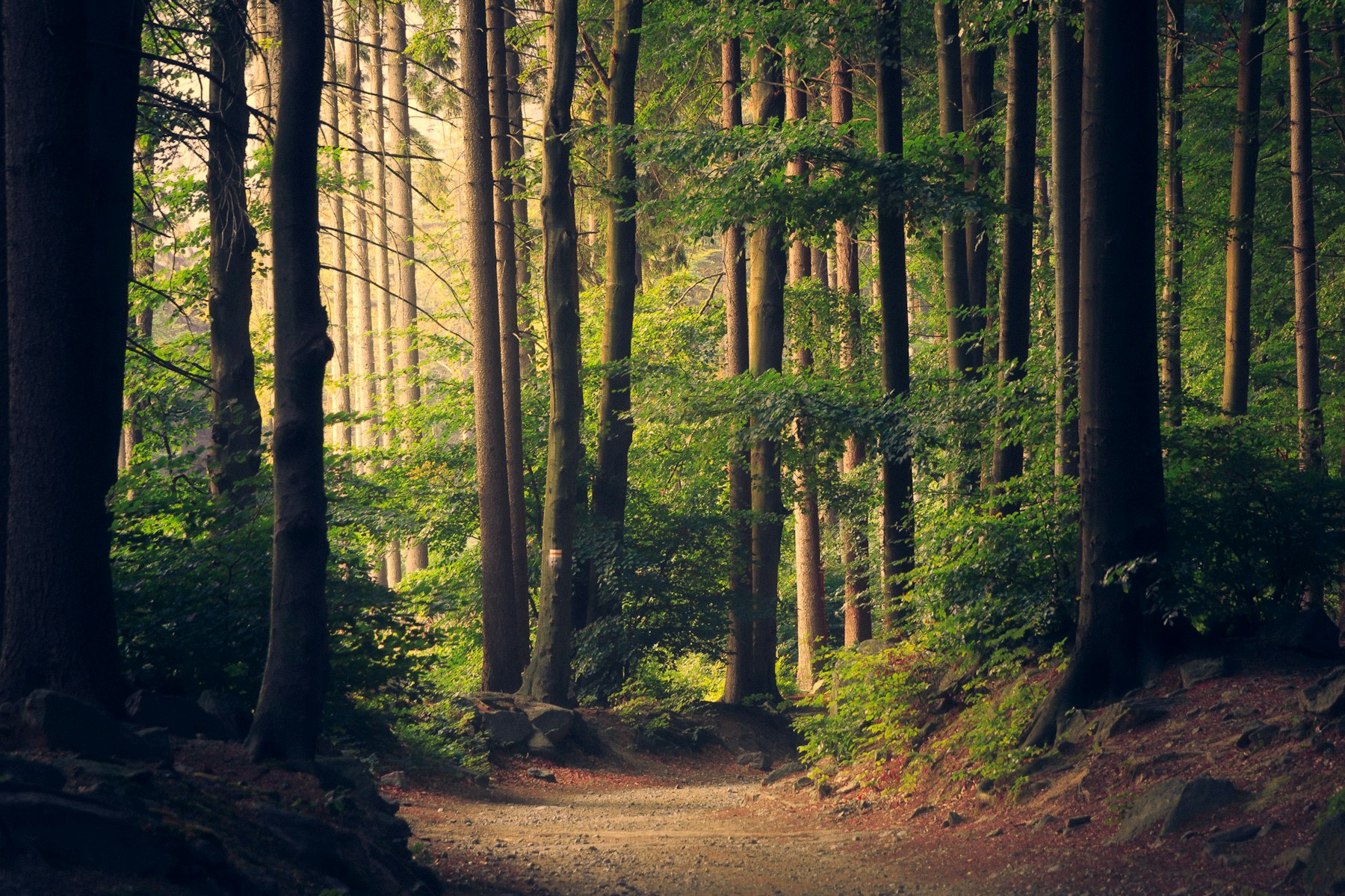
Dry deciduous woodland is gold in winter and sparse in peak summer. Animals use it as cover and as a corridor between water points.
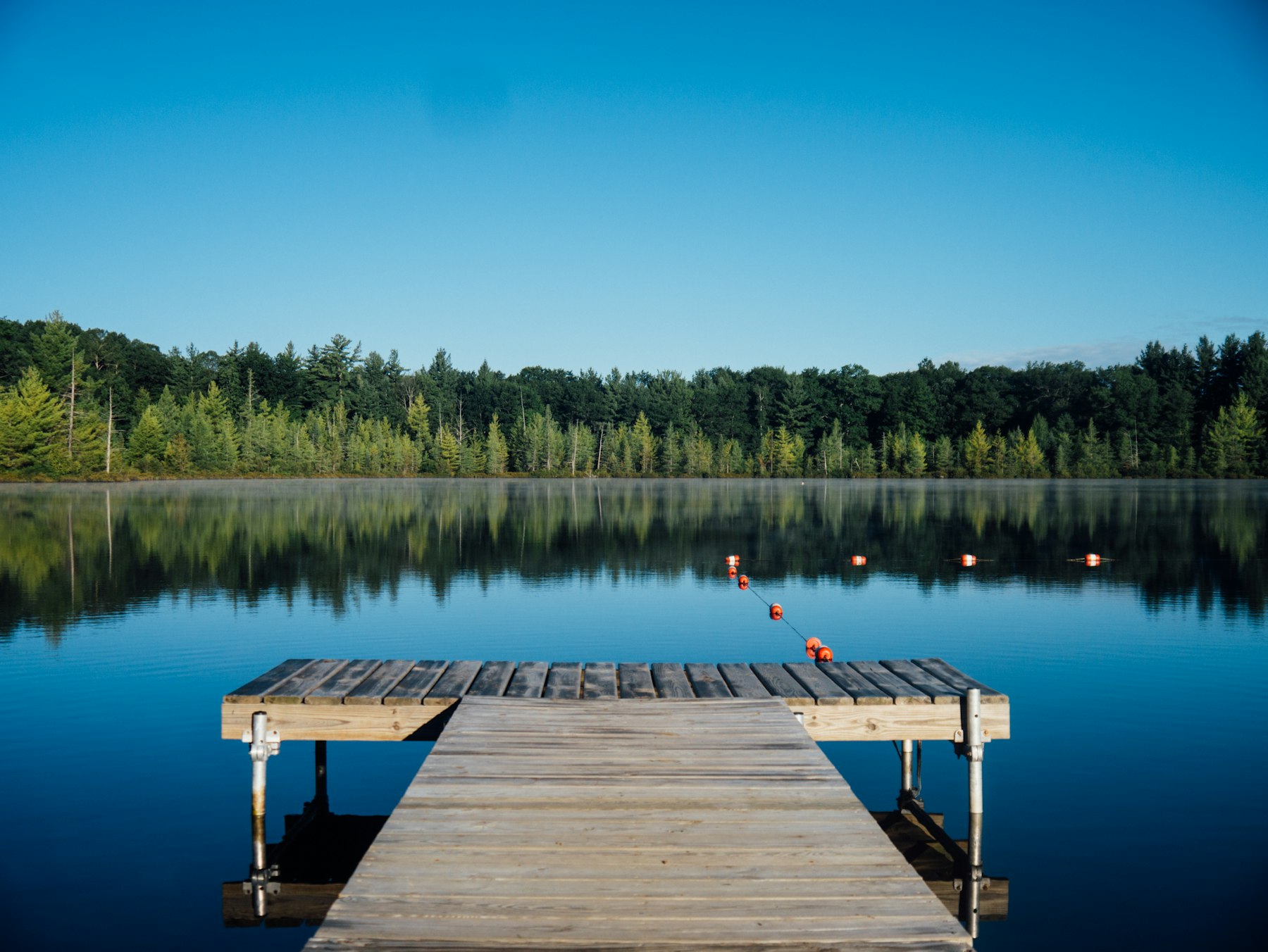
The Chambal, reservoirs and seasonal streams decide where wildlife concentrates. Summer safaris often become waterhole watches.
Around the safari
Stay in the city and you can fold the forest into a wider Hadoti trip: Garadia Mahadev on the cliff above the Chambal, Gagron Fort at the river’s edge, Geparnath, the Badoli temples, the Kota riverfront and Seven Wonders Park. None of these replace a jeep drive. They make a two-night Kota stay feel complete.
Guests also arrive from Bundi palaces, Jhalawar, Ramganj Mandi and Rawatbhata. If you tell us where you sleep, we plan the gate, not the other way around.
Less crowd, more listening